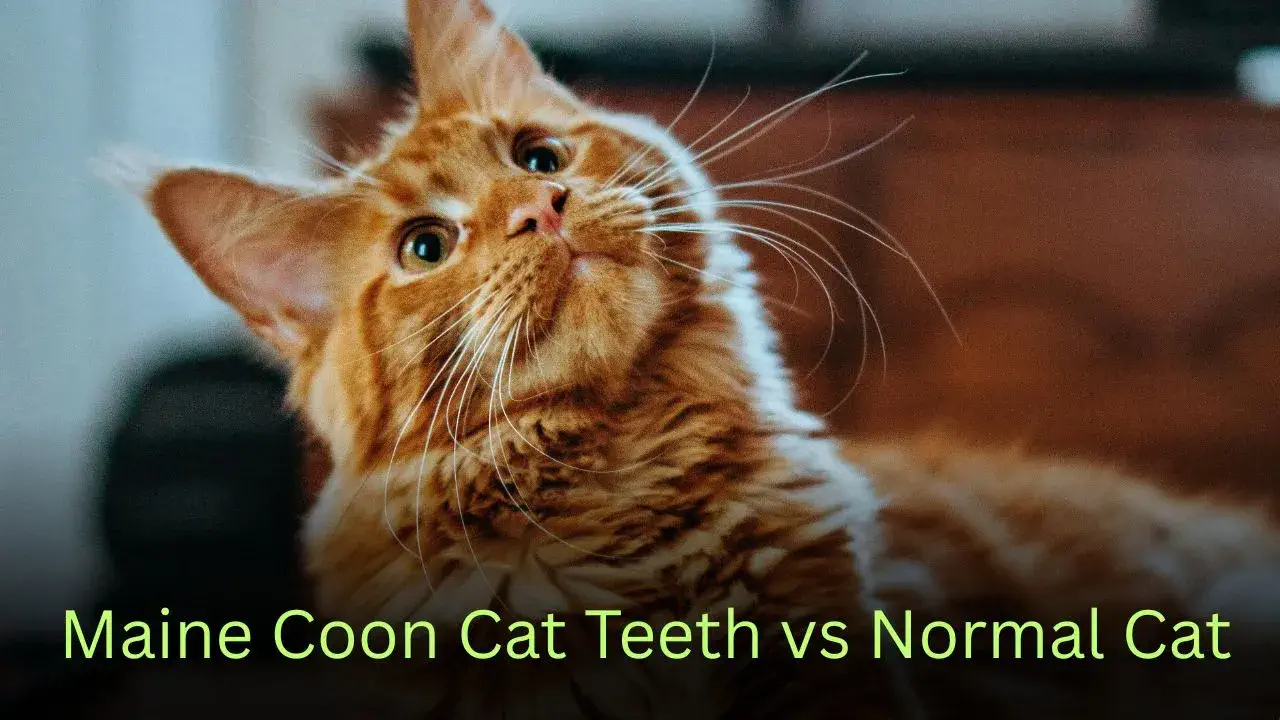
The Maine Coon cat, often referred to as the “gentle giant” of the feline world, stands out not only for its majestic size and long, luxurious coat but also for its powerful physical features including its teeth.
These cats are one of the largest domestic breeds, and their strong jaws and long, sharp canines play a vital role in maintaining their natural hunting instincts.
Comparing Maine Coon cat teeth vs normal cat teeth helps us appreciate how evolution and breed development have influenced their oral anatomy, shaping their chewing habits and dental care needs.
Table of Contents
Unlike regular domestic cats, whose teeth are proportionate to their smaller frames, Maine Coons possess slightly larger and thicker teeth that align with their muscular jaws and bone structure.

This difference is not just aesthetic; it affects how they bite, chew, and even play. Their impressive canines and molars are adapted for handling tougher food textures and prey, making their dental health an important factor in their overall well being. Understanding these distinctions allows cat owners to make more informed decisions about food choices, toys, and dental hygiene routines.
Understanding the Maine Coon Cat’s Anatomy and Size

The Maine Coon cat is known for its large, muscular build and strong jaw structure, which support its distinctive, robust teeth. Unlike smaller cat breeds, Maine Coons have broader skulls and longer muzzles, allowing room for slightly larger canines and molars.
Their slow growth rate also contributes to stronger bone and dental development. This unique anatomy not only enhances their hunting ability but also means they require special attention to diet and dental care to keep their teeth and jaws healthy.
Maine Coon Cat Teeth vs Normal Cat Teeth Key Differences
Tooth Size and Shape
Maine Coon cats have noticeably larger and stronger teeth compared to most domestic cats. Their canines are longer and thicker, designed to grip and tear food or prey efficiently.
The molars and premolars are also slightly broader, helping them chew tougher textures with ease. In contrast, normal cats have smaller, more proportionate teeth suited to their lighter build.

These differences in tooth size and shape reflect the Maine Coon’s powerful jaw structure and natural hunting instincts, making proper dental care and regular brushing essential to prevent build up and wear.
Jaw and Bite Force
Maine Coon cats possess a noticeably stronger jaw and bite force compared to normal domestic cats. Their large skulls and muscular jaw structure give them the power to chew and tear through tougher foods with ease.
This strength comes from their natural evolution as hunters, where a firm bite was essential for catching and consuming prey. In contrast, smaller cats have a lighter bite suited for softer foods and less demanding chewing.
Because of this enhanced bite force, Maine Coons may experience more stress on their teeth and gums over time, making regular dental check ups and proper diet choices crucial for maintaining jaw and oral health.
Growth and Teething Stages
Maine Coon cats experience a slower growth and teething process compared to most cats, usually completing their adult teeth around six to seven months of age.
Their larger jaws and slower development mean teething can take longer and may cause mild discomfort.
Regular brushing and soft chew toys help ease the process and support healthy tooth growth.
Dental Care Needs Maine Coon vs Normal Cats
Maine Coon cats require more attentive dental care than normal cats due to their larger teeth and stronger jaws. Regular brushing, dental friendly treats, and routine vet check ups are essential to prevent plaque build up and gum disease.

Their wide mouths can trap food particles, increasing the risk of tartar and bad breath. Normal cats also need dental care, but Maine Coons benefit most from consistent cleaning and diets that promote strong, healthy teeth.
Common Dental Problems in Maine Coon Cats
Maine Coon cats are prone to several dental problems due to their large jaws and dense teeth. Common issues include plaque build up, gingivitis, and periodontal disease, which can cause pain and bad breath if untreated.
Some may also develop tooth resorption, where the tooth structure breaks down over time.
Regular dental check ups, professional cleanings, and at home brushing help prevent these issues and keep their teeth healthy and strong.
Reed More Dental Health in Cats
Diet and Chew Habits Supporting Healthy Teeth
A cat’s diet and chew habits play a vital role in maintaining healthy teeth and gums. Feeding dry kibble or specially designed dental treats can help reduce plaque build up by naturally scraping the teeth during chewing.
Including balanced nutrients, such as calcium and phosphorus, supports strong tooth and jaw development.
Encouraging chewing through toys or dental chews stimulates saliva production, which further protects against tartar and cavities.
Avoiding sticky, sugary, or soft human foods is essential to prevent dental problems.
Conclusion
Maintaining a cat’s dental health requires a combination of proper diet, regular chew habits, and preventive care.
By providing nutrient rich food, dental treats, and safe chew toys, owners can reduce plaque build up, strengthen teeth, and support overall oral health.
Consistent attention to these habits, along with routine veterinary check ups, ensures that your cat enjoys a healthy mouth and a happier, pain free life.
Read more Maine Coon Cat