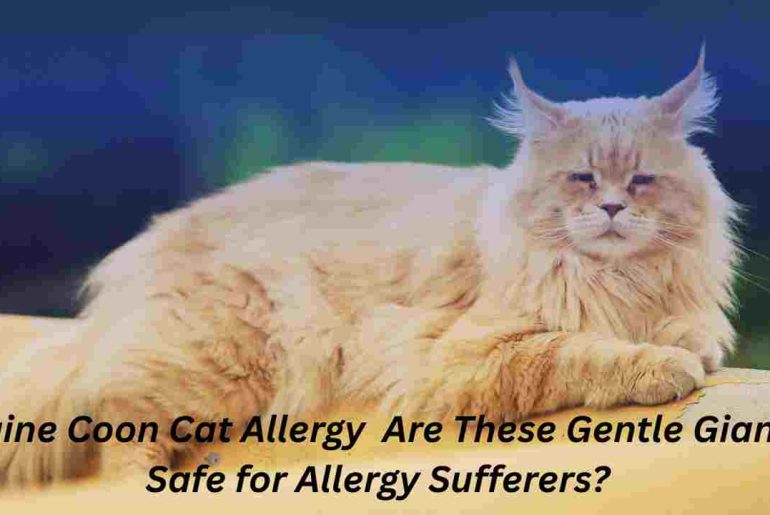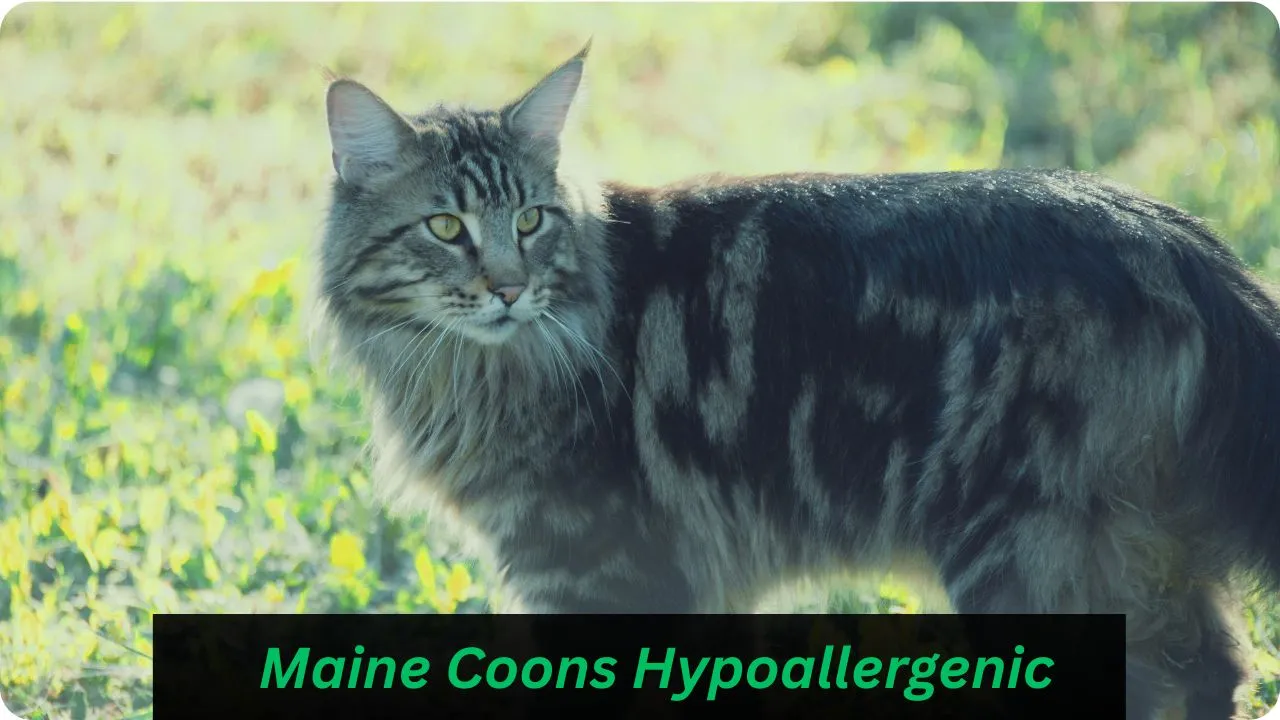
Many cat lovers are naturally drawn to the Maine Coon for its large size, gentle temperament, and striking coat.
However, one common question often arises among potential owners: Are Maine Coons hypoallergenic? With allergies being so widespread in the U.S. this concern is especially important for individuals or families considering this impressive breed.
Table of Contents
People often assume that a Maine Coon’s long, beautiful fur may somehow be less irritating or produce fewer allergens.

Others hope that their calm, affectionate nature makes them easier to live with even for allergy sufferers.
But the truth behind hypoallergenic claims is more scientific than it appears.
In reality, no cat breed is completely hypoallergenic. Allergens come primarily from proteins found in a cat’s saliva, skin, and dander not just their fur.
Understanding how these allergens spread can help potential owners make informed decisions.
In this article, you’ll learn what “hypoallergenic” really means, how Maine Coons compare to more allergy friendly breeds, and practical tips to manage allergens at home.
Are Maine Coons Classified as Hypoallergenic Cats?
Maine Coons are often believed to be hypoallergenic because of their majestic appearance and calm temperament. However, this assumption doesn’t fully align with how cat allergies work.
The term hypoallergenic means a pet produces fewer allergens than average, not that it is completely allergen free. Unfortunately, Maine Coons do not fall into this category.

All cats produce a protein called Fel d 1, the main cause of allergic reactions in humans. Maine Coons create this allergen just like any other breed, meaning they can still trigger symptoms.
Their long, thick fur can also trap more dander and saliva, which may increase allergen spread around the home.
While Maine Coons aren’t considered hypoallergenic, many allergy sufferers still live comfortably with them by using proper grooming routines and allergen reduction strategies.
Why People Think Maine Coons Are Hypoallergenic
Many people assume Maine Coons are hypoallergenic because of their stunning fur and overall clean appearance. Their thick, silky coat often gives the impression that it sheds less or traps allergens more effectively, creating a belief that they might cause fewer reactions.
Another reason is their gentle, affectionate personality. Maine Coons are known for being calm, social, and easy to handle, which can make them seem more “compatible” for people with sensitivities.
This behavior sometimes leads owners to believe they are naturally less irritating than more active or high shedding breeds.

Some confusion also comes from mixing up low shedding with low allergen. While a breed may shed less, that doesn’t automatically make it hypoallergenic since allergens come from saliva and skin proteins, not just fur.
Overall, misconceptions, appearance, and personality all play a role in why many think Maine Coons might be hypoallergenic.
Maine Coon Allergy Triggers What Actually Causes Reactions?
Many people assume cat allergies come from fur, but the true cause is a protein called Fel d 1, found in a cat’s saliva, skin, and sebaceous glands. When cats groom themselves, this protein transfers onto their fur and dries into tiny airborne particles.

Maine Coons produce Fel d 1 just like any other breed, which means they can trigger allergic reactions in sensitive individuals. Their thick double coat can also hold more saliva residue and dander, making it easier for allergens to spread throughout the home.
Another trigger is dander, the tiny flakes of dead skin that naturally shed from a cat’s body. Maine Coons, with their large size and full coat, may produce more visible and invisible dander than smaller breeds
Shedding also plays a role. When Maine Coons shed heavily, especially seasonally, it releases more allergen coated hairs into the environment, increasing exposure for allergy sufferers.
Allergy Symptoms to Watch for Around Maine Coons
Allergies to Maine Coons often show up quickly, especially for individuals who are highly sensitive to cat allergens. One of the first symptoms people notice is sneezing, along with nasal congestion or a runny nose shortly after being around the cat.

Eye related symptoms are also common. Many experience itchy, watery, or red eyes due to airborne dander and allergen particles that easily irritate the eyes and surrounding skin.
Some people develop skin reactions, such as itching, redness, or small hives, especially if the cat licks them or if they touch their face after petting the Maine Coon. These reactions can vary in intensity depending on sensitivity.

In more serious cases, individuals may experience coughing, wheezing, or mild asthma symptoms. These respiratory reactions can worsen in enclosed spaces where allergen levels build up over time.
Tips to Reduce Allergies If You Own a Maine Coon
Living with a Maine Coon while managing allergies is possible if you take consistent steps to reduce allergen exposure.
One of the most effective strategies is regular grooming. Brushing your Maine Coon several times a week helps remove loose fur and dander before it spreads around your home.

Keeping your living space clean is equally important. Vacuuming with a HEPA filter, washing bedding frequently, and using lint rollers on furniture can significantly reduce allergen build up. Air purifiers are also a powerful tool for capturing airborne particles.
It also helps to create cat free zones, especially in bedrooms. Having a designated area where allergens are minimized gives allergy sufferers a safe place to rest and breathe more comfortably.
Finally, maintaining your cat’s overall health supports lower allergen release. A balanced diet, regular baths (if tolerated), and proper hydration help keep skin healthier, meaning less dander and fewer reactions.
Best Grooming Practices to Lower Allergen Spread
Regular grooming is one of the most effective ways to reduce allergen spread from a Maine Coon. Their thick, double layered coat tends to trap dander and dried saliva, so brushing several times a week helps remove loose hair before it circulates around your home.
When brushing, use tools designed for long haired breeds, such as a slicker brush, metal comb, or de shedding tool.
These tools reach the undercoat and help prevent mats, which can trap even more allergens. Gentle, consistent grooming sessions keep your cat comfortable while lowering allergen build up
Bathing your Maine Coon can also help, but it should be done carefully. Some Maine Coons tolerate baths well, while others don’t. Using a mild, cat safe shampoo once every few weeks can reduce dander if your cat is comfortable with the process.
Finally, keep grooming areas clean. Wash brushes regularly, wipe surfaces afterward, and groom your cat in a well ventilated space to prevent allergens from settling throughout your home.
Do Maine Coons Shed More Than Other Cats?
Maine Coons are known for their long, luxurious coats, and naturally, many people wonder whether they shed more than other cat breeds.
While they don’t shed excessively year round, their thick double coat does release quite a bit of fur during certain seasons.
Maine Coons often experience heavier shedding in the spring and fall, when their coat adjusts to temperature changes.

This seasonal “blowout” can make it seem like they shed more than average, especially compared to short haired cats.
Their large body size also contributes to the perception of extra shedding. Simply put, a bigger cat with more fur means more hair being released into the environment compared to smaller breeds.
Regular grooming helps manage this shedding. Brushing several times a week removes loose fur before it spreads through your home, making it easier to keep allergies and over all mess under control.
Conclusion
Claims that Maine Coons are hypoallergenic are misleading. No cat breed is completely free from allergens.
Maine Coons produce the same allergenic proteins, primarily Fel d 1, as other cats. Their large size and dense fur may even spread allergens more widely.
Allergy sufferers can manage reactions with regular grooming, air purifiers, and frequent handwashing after handling their cat.
Despite potential allergy concerns, Maine Coons are affectionate, playful, and gentle companions. With careful management, even sensitive owners can enjoy the joy of having these majestic cats in their home.
Rede More About Maine coon