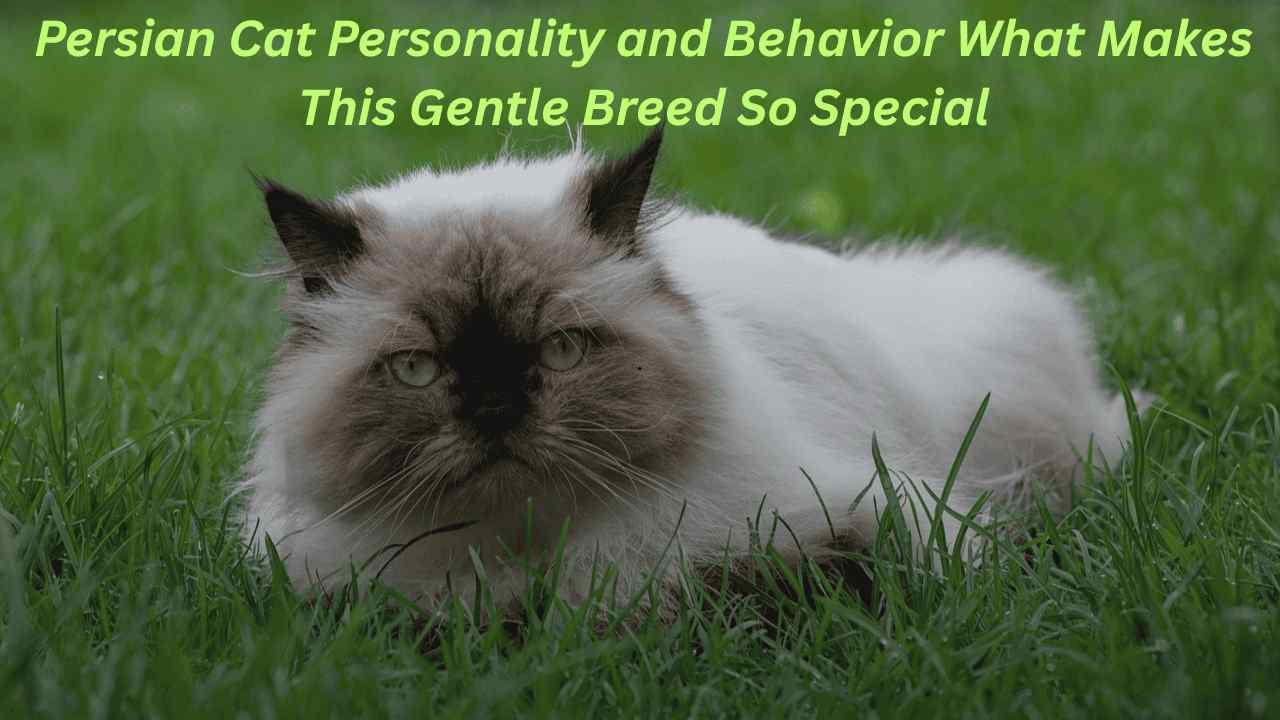
The Persian cat personality and behavior is best known for being calm, gentle, and easygoing. These cats enjoy peaceful environments and prefer relaxing over high energy play. Their quiet nature makes them ideal for apartments and calm households.
Persian cats are affectionate but not overly demanding. They love staying close to their owners, often sitting beside them rather than constantly seeking attention. This creates a strong yet comfortable bond.
Table of Contents
Their behavior is also marked by low vocalization. Unlike more talkative breeds, Persians communicate softly through body language and subtle sounds, adding to their serene presence.
Overall, their combination of beauty, calm temperament, and loving nature makes them a perfect companion for those seeking a relaxed and loyal pet.
Understanding Persian Cat Personality and Behavior
Understanding Persian cat personality and behavior starts with recognizing their calm and gentle nature. These cats are naturally relaxed and prefer quiet, stable environments where they feel safe and comfortable.
Persian cats are affectionate but not overly demanding. They enjoy being close to their owners, often choosing to sit beside you rather than constantly seeking attention, making them ideal for laid back lifestyles.
Their behavior is typically quiet and reserved. Persians are not very vocal and communicate through soft sounds and subtle body language, which adds to their peaceful presence in the home.
Overall, their combination of calm temperament, loyalty, and low energy behavior makes them one of the best breeds for those looking for a relaxed and loving companion.
Are Persian Cats Calm or Playful?
Persian cats are naturally calm and laid-back, making them one of the most relaxed cat breeds. They prefer quiet environments and enjoy lounging in comfortable spots like sofas, beds, or sunny windowsills. Their peaceful nature makes them ideal for people who want a low energy companion.

However, Persian cats are not completely inactive. They do have a playful side, especially during kittenhood or in short bursts throughout the day. Their play style is usually gentle and slow rather than energetic or intense.
Most Persians enjoy simple toys like feather wands or soft balls, but they don’t require constant stimulation. A few minutes of playtime is often enough to keep them happy and engaged.
Overall, Persian cats are more calm than playful, offering a perfect balance for owners who appreciate a quiet yet occasionally interactive pet.
How Affectionate Are Persian Cats With Humans?
Persian cats are known for their gentle and affectionate nature, making them wonderful companions. They form strong bonds with their owners and enjoy being close, often choosing to sit beside you or quietly follow you around the house.
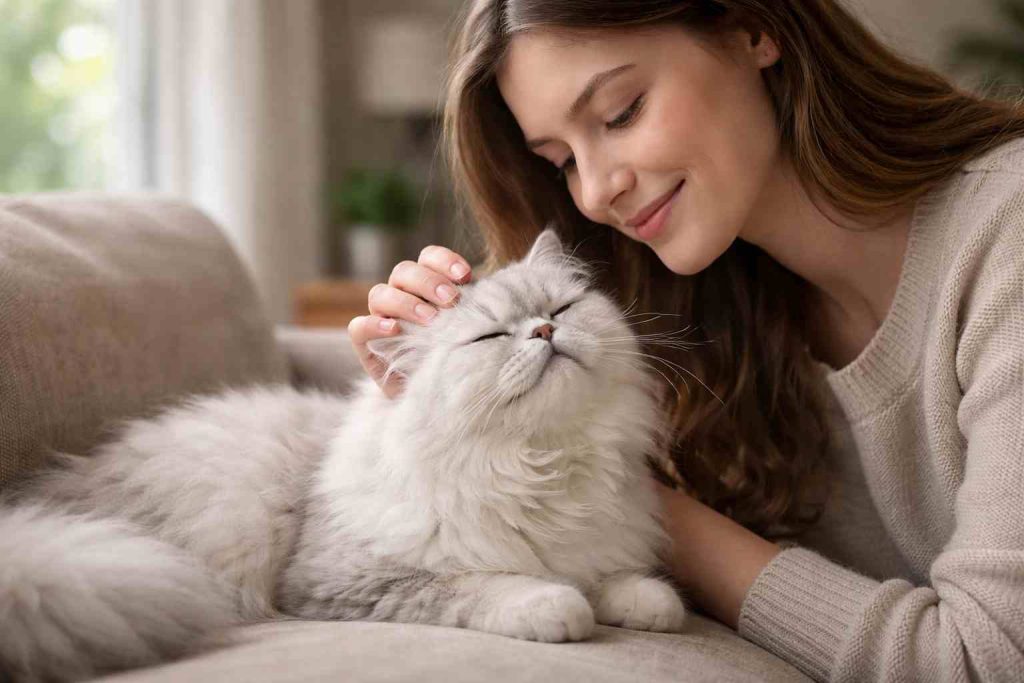
Unlike more demanding breeds, Persians show affection in a calm and subtle way. They are not overly clingy but appreciate gentle petting, cuddles, and relaxed time with their favorite people.
They tend to be loyal and prefer familiar faces, building deep emotional connections over time. This makes their affection feel genuine and comforting rather than attention seeking.
Overall, Persian cats are quietly loving pets, perfect for those who want a peaceful and emotionally rewarding companionship.
Typical Persian Cat Behavior at Home
Typical Persian cat behavior at home is calm, predictable, and easy to manage. These cats enjoy quiet surroundings and spend much of their time relaxing on soft surfaces like sofas, beds, or sunny windowsills.
Persians are not very active, so you won’t often see them running or climbing excessively. Instead, they prefer gentle movement and short play sessions, making them ideal for peaceful households or apartment living.
They are also creatures of habit and thrive on routine. Regular feeding times, consistent environments, and familiar spaces help them feel secure and comfortable.
Overall, their relaxed and low maintenance behavior makes Persian cats perfect companions for anyone seeking a calm, quiet, and loving indoor pet.
Persian Cat Behavior Around Strangers
Persians are naturally shy around unfamiliar people. When guests arrive, they may:
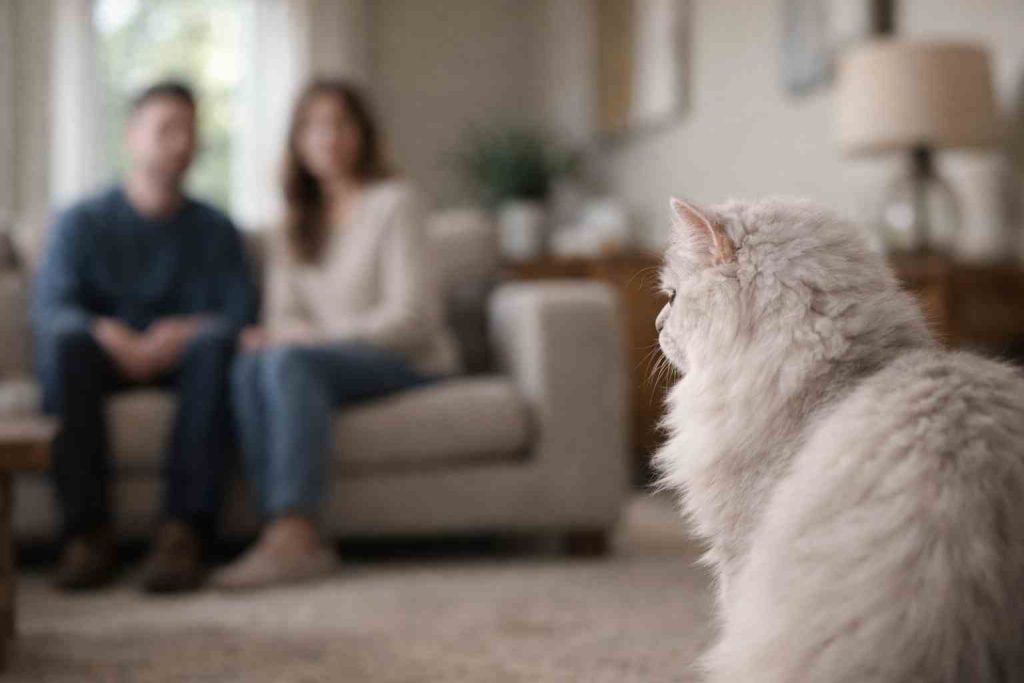
- Observe from a distance
- Hide briefly until things feel safe
- Slowly approach once calm returns
They aren’t aggressive or fearful just cautious. With repeated exposure, many Persians warm up and become comfortable around visitors.
Vocalization and Communication Style
Unlike talkative breeds, Persian cats are known for their soft voices.
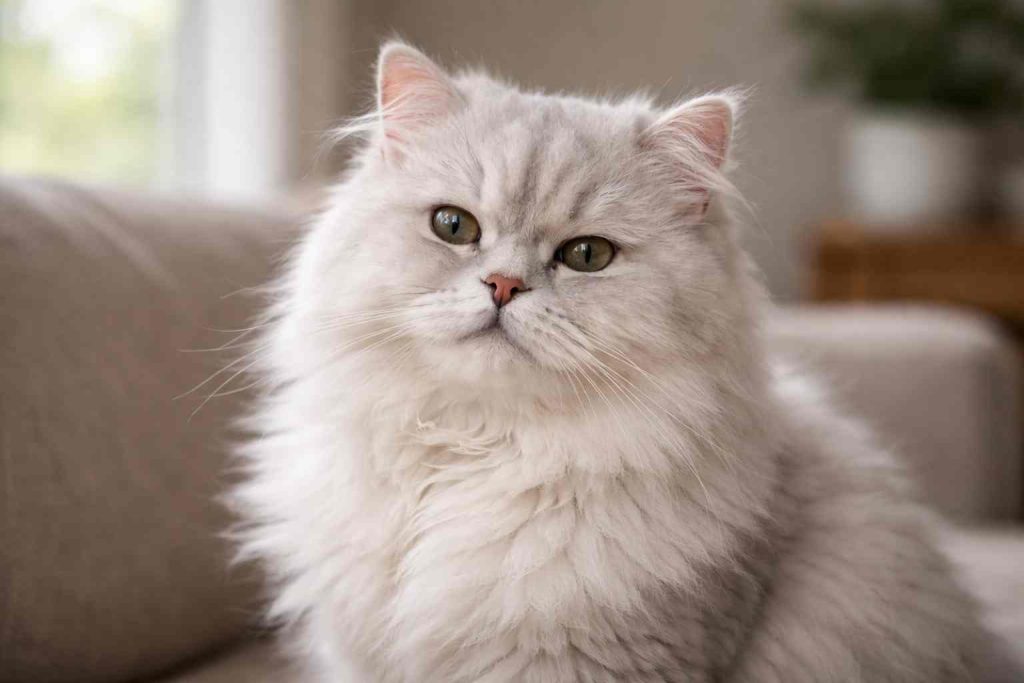
- They rarely meow loudly
- Communication is subtle and gentle
- Body language plays a big role
A Persian cat may express needs through eye contact, slow blinking, or quietly sitting near their food bowl. This quiet communication style is ideal for owners who value peace.
Persian Cat Personality vs Other Cat Breeds
Understanding how Persian cats compare to other breeds can help you make a confident choice.
Persian Cat vs Siamese Personality
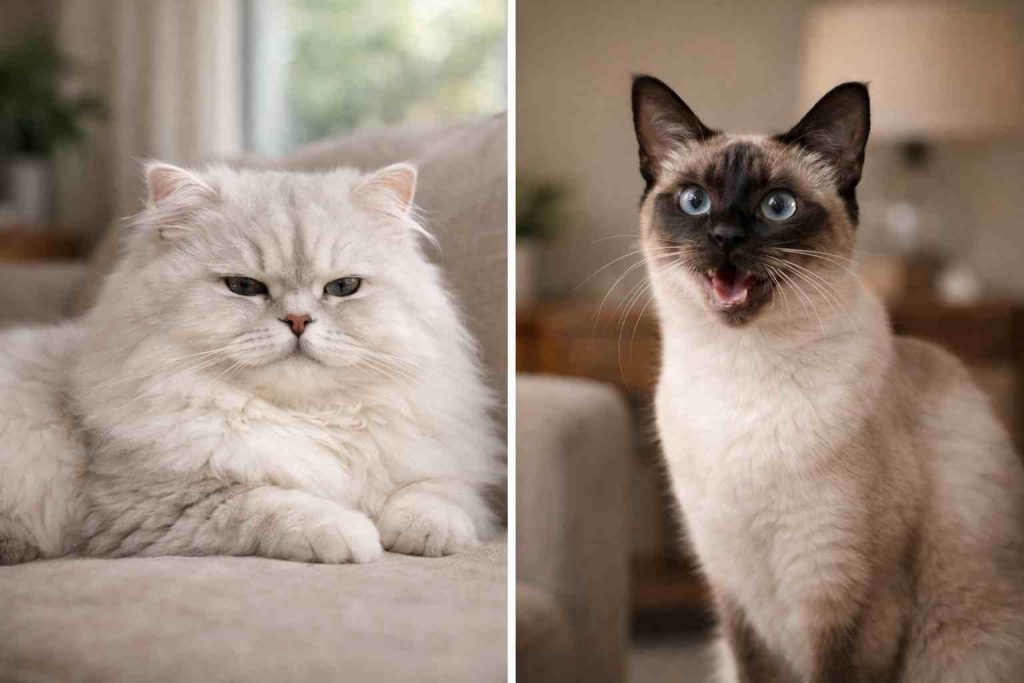
| Trait | Persian Cat | Siamese Cat |
|---|---|---|
| Energy Level | Low | High |
| Vocalization | Quiet | Very talkative |
| Independence | Moderate | Low |
| Ideal Home | Calm | Active |
Persian Cat vs Maine Coon Behavior
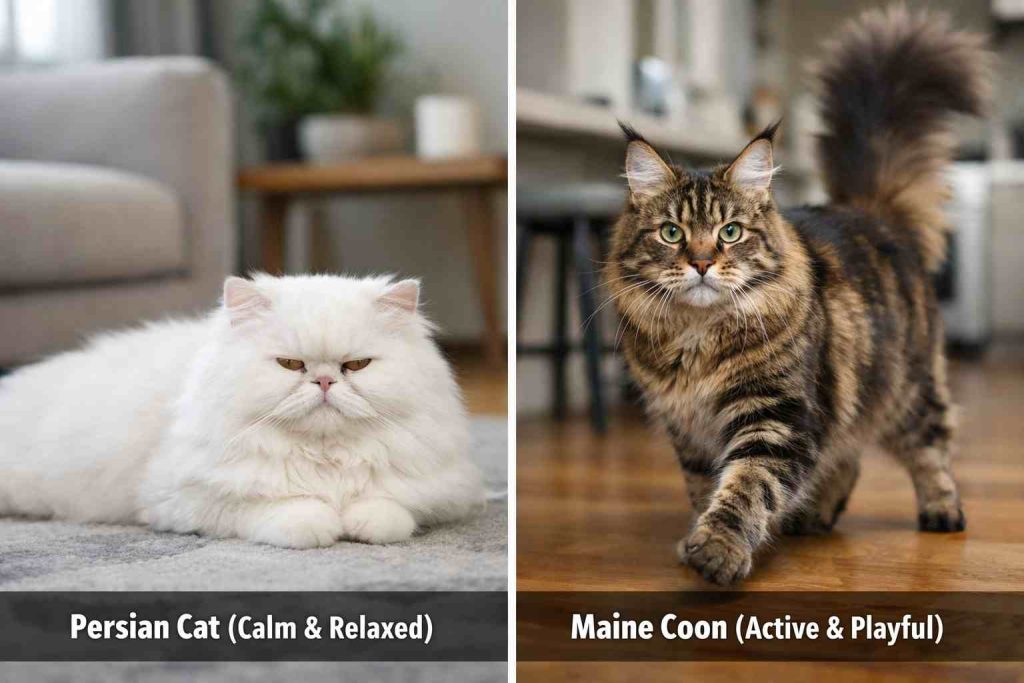
| Trait | Persian Cat | Maine Coon |
|---|---|---|
| Activity Level | Low | Moderate |
| Social Behavior | Reserved | Outgoing |
| Play Style | Gentle | Energetic |
| Grooming Needs | High | Moderate |
Maine Coons are playful and social, while Persians are calm and emotionally sensitive.
Is a Persian Cat Personality Right for You?
Persian cats are not for everyone but for the right owner, they are incredibly rewarding.
Best Lifestyles for Persian Cat
Persians thrive in homes with:

- Minimal chaos
- Quiet routines
- Stable environments
- Owners who enjoy relaxed companionship
They are perfect for:
- Apartment living
- Remote workers
- Young professionals
- Couples without young children
Persian Cats and First Time Cat Owners
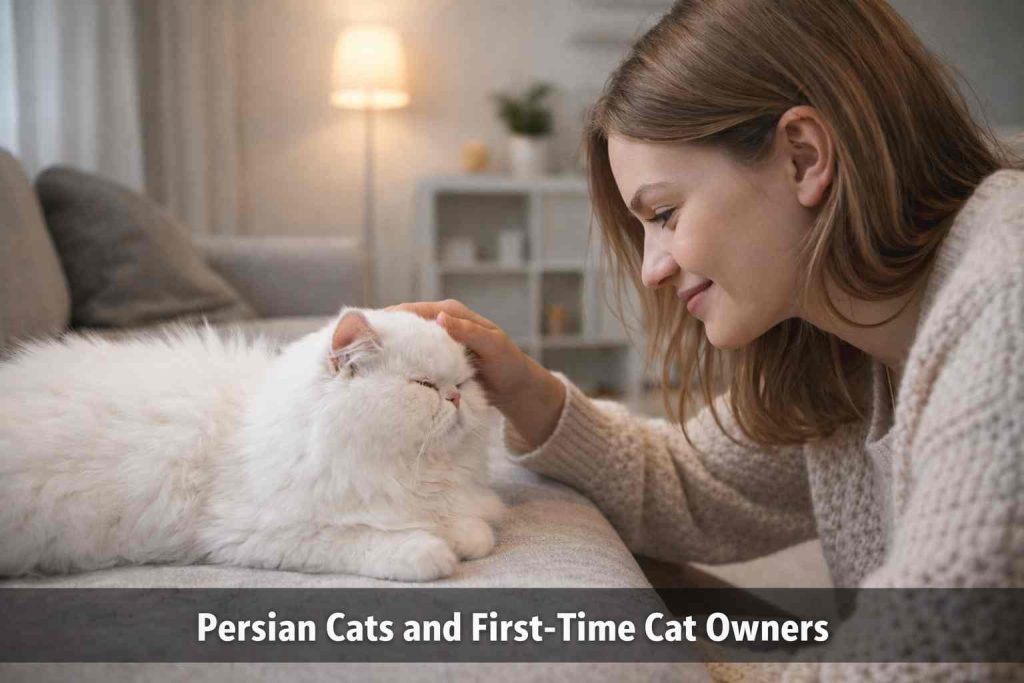
Persian cats can be excellent for first time owners due to their gentle behavior. However, grooming and health care require commitment.
If you’re willing to maintain their coat and provide routine vet care, their calm personality makes them easy to live with.
Factors That Influence Persian Cat Behavior
Several factors shape Persian cat behavior, with genetics playing a major role. Cats from reputable breeders are more likely to have calm, balanced temperaments, while poor breeding can lead to anxiety or behavioral issues.
Environment and routine also strongly influence their behavior. A quiet home, consistent schedule, and early socialization help Persian cats feel secure, making them more relaxed, affectionate, and well adjusted over time.
Genetics and Breeding
Genetics and breeding play a major role in shaping Persian cat personality and behavior. Cats from responsible, reputable breeders are more likely to have calm, balanced temperaments, as these breeders prioritize both health and personality alongside appearance.
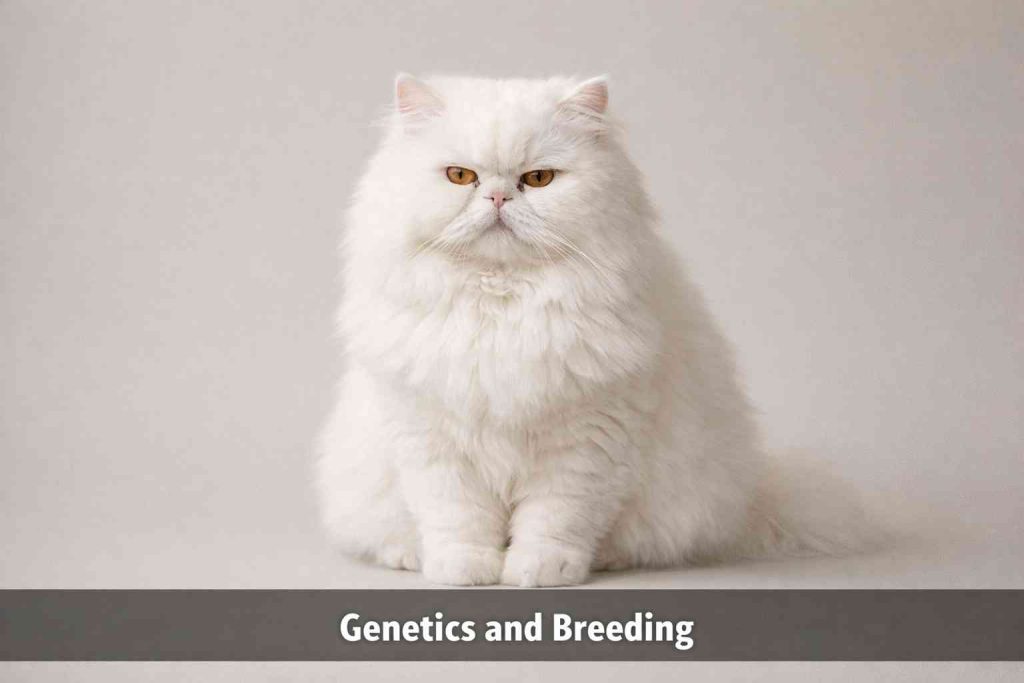
On the other hand, poor breeding practices can lead to behavioral issues such as anxiety, fearfulness, or irritability.
Choosing a well bred Persian cat increases the chances of having a gentle, affectionate, and emotionally stable companion.
Environment, Socialization, and Routine
Environment, socialization, and routine play a key role in shaping Persian cat personality and behavior. These cats thrive in calm, quiet homes where they feel safe and secure.
Loud noises, sudden changes, or chaotic environments can make them anxious or withdrawn.
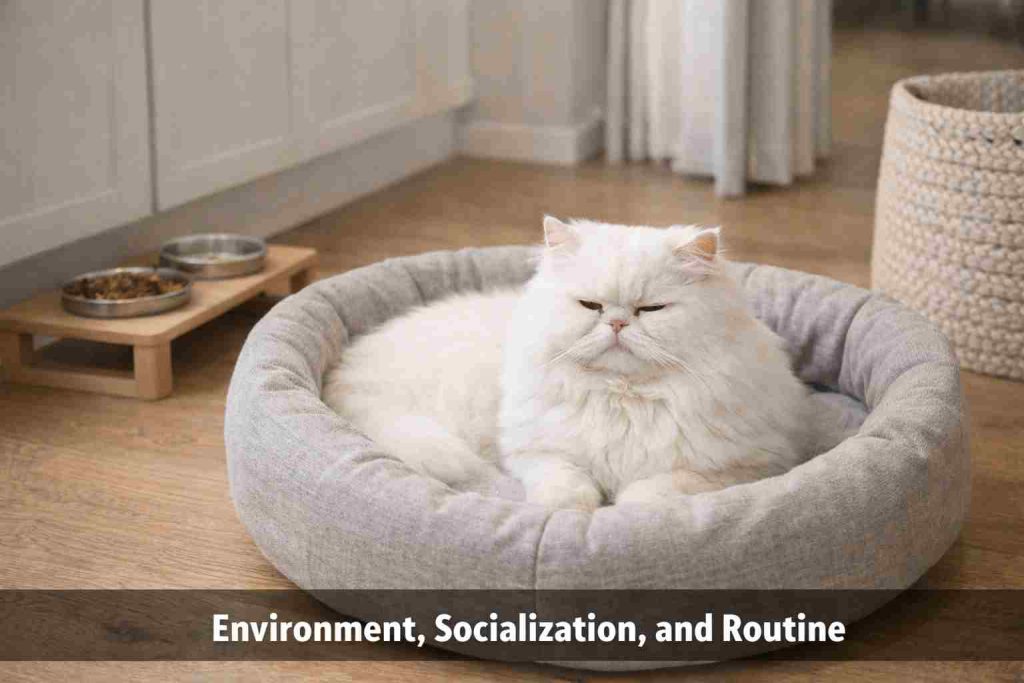
Early socialization and a consistent daily routine help Persian cats become more confident and relaxed.
Regular feeding times, gentle handling, and familiar surroundings encourage positive behavior, making them more affectionate, stable, and comfortable in their home.
Conclusion
In conclusion, Persian cat personality and behavior are defined by calmness, gentle affection, and a love for peaceful environments.
Their quiet nature and loyal companionship make them ideal for relaxed lifestyles.
With proper care, routine, and a stable home, Persian cats become loving and dependable pets that bring comfort and warmth to everyday life.
Rede More About Persian Cat