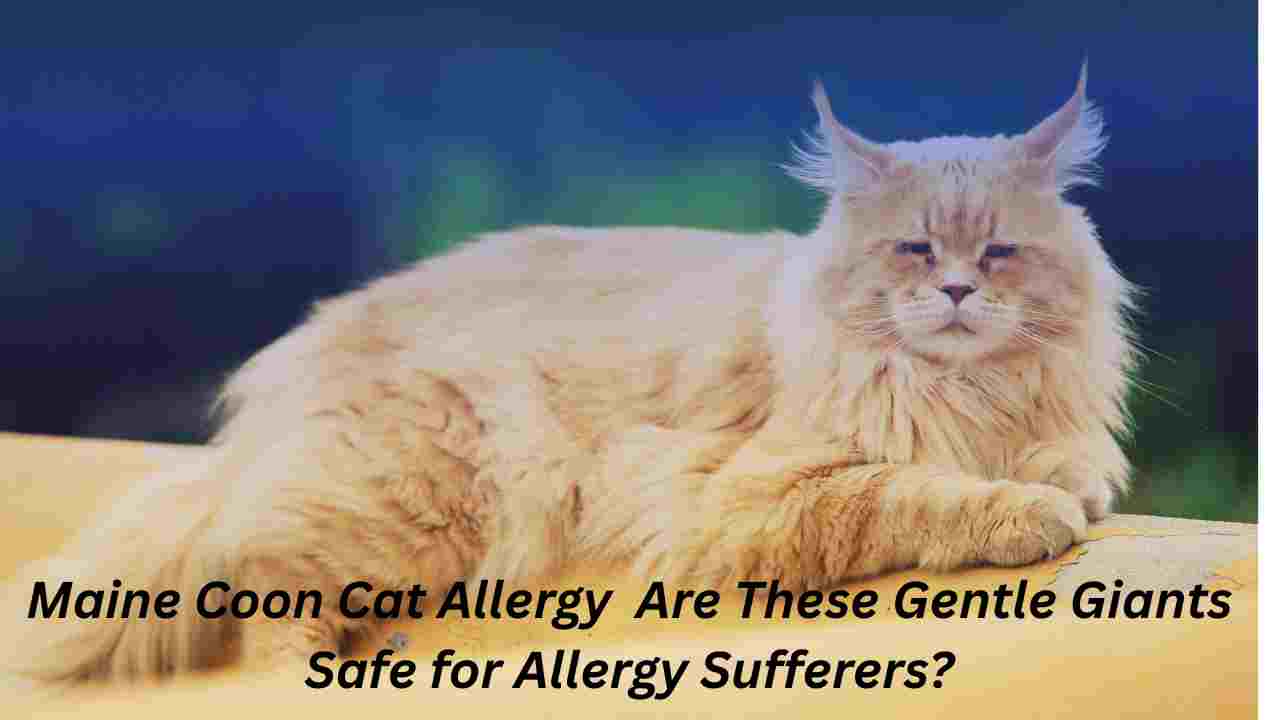
Maine Coon cats are famous for their large size, fluffy coats, and friendly personalities. But if you suffer from allergies, one big question often comes up before adopting: can a Maine Coon cat trigger allergies?
The topic of maine coon cat allergy is surrounded by myths, half truths, and confusing advice. Some people claim Maine Coons are hypoallergenic, while others say their long fur makes allergies worse. The truth sits somewhere in between.
Table of Contents
In this guide, we’ll break down what causes cat allergies, how Maine Coons compare to other breeds, common symptoms, and realistic ways to live with a Maine Coon if you have allergies.
If you’re considering bringing one of these gentle giants into your home, this article will help you make a smart, allergy safe decision.
What Causes Cat Allergies?
Before focusing specifically on Maine Coons, it’s important to understand what actually causes cat allergies.
The Fel d 1 Protein Explained
Contrary to popular belief, cat allergies are not caused by fur. The primary trigger is a protein called Fel d 1. This protein is produced in a cat’s:
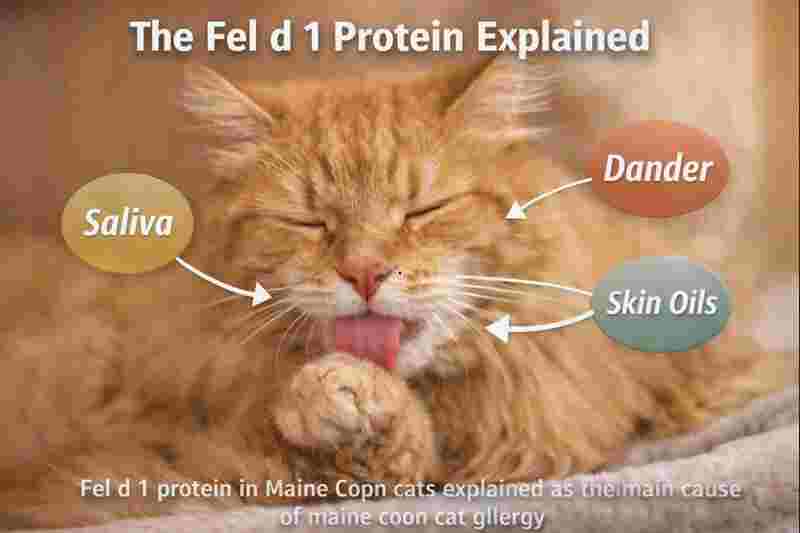
- Saliva
- Skin oils (sebaceous glands)
- Dander (dead skin flakes)
When cats groom themselves, saliva containing Fel d 1 spreads onto their fur. As the fur sheds, the allergen becomes airborne and settles on furniture, carpets, clothing, and bedding.
Why Cat Fur Isn’t the Real Problem
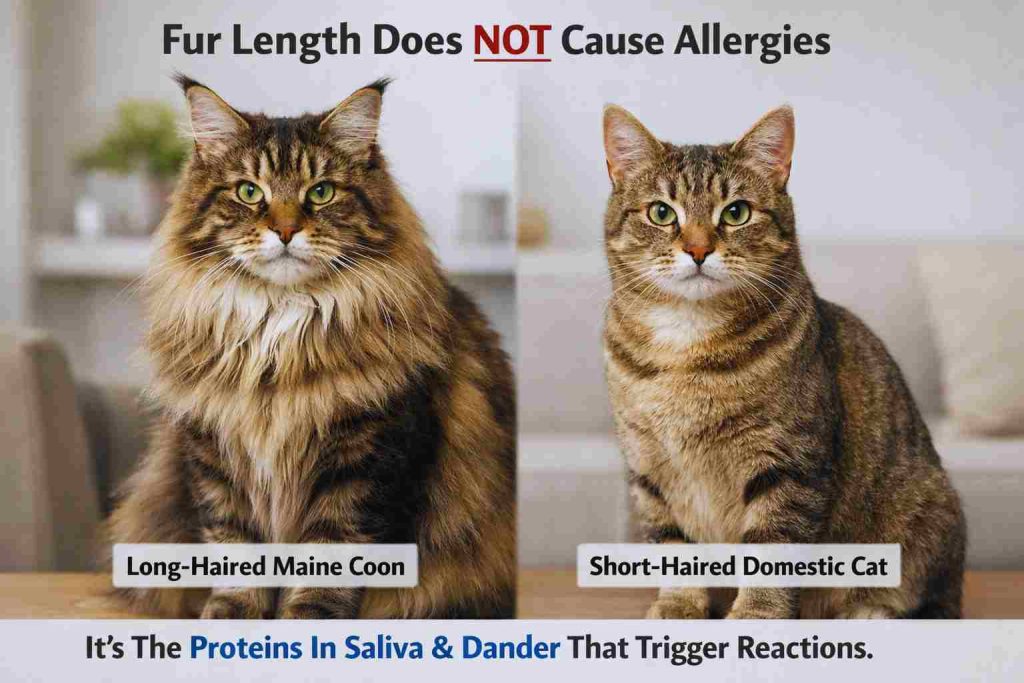
Long haired cats like Maine Coons don’t automatically cause more allergies. Fur length doesn’t increase allergen production it only affects how allergens spread and collect.
In fact, some short haired cats can trigger stronger allergic reactions than long haired breeds if they produce higher levels of Fel d 1.
Are Maine Coon Cats Hypoallergenic?
One of the most searched questions online is whether Maine Coons are hypoallergenic.
Do Maine Coons Produce Less Allergens?
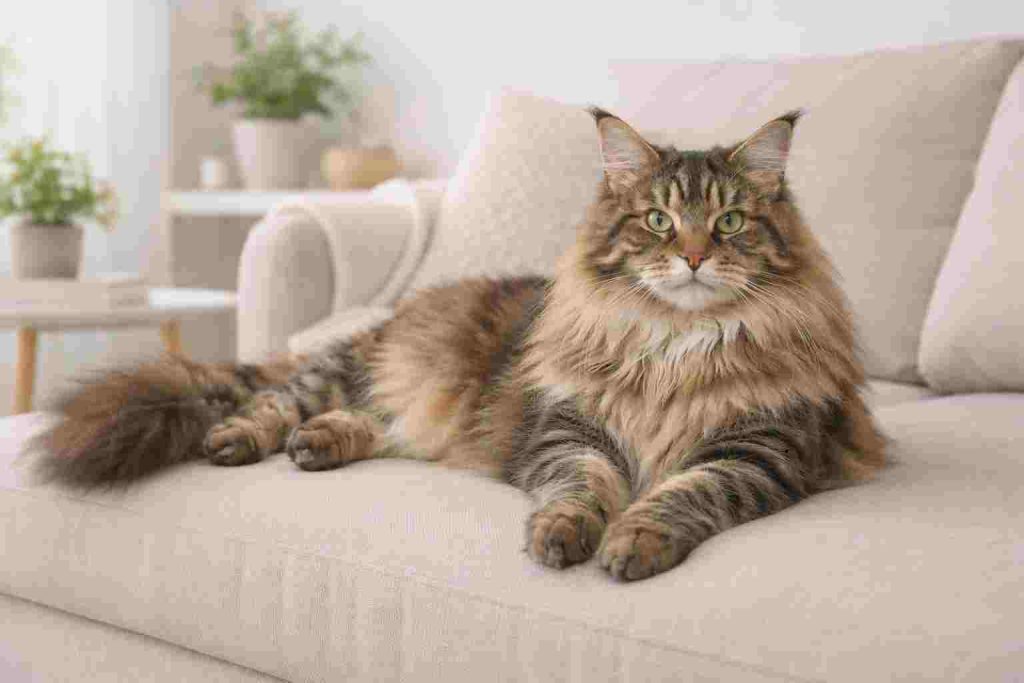
No cat breed is 100% hypoallergenic, including Maine Coons. However, many allergy sufferers report milder reactions around Maine Coons compared to other breeds.
Why?
- Maine Coons may produce slightly lower Fel d 1 levels than some common breeds
- Their calm temperament reduces excessive grooming
- Regular grooming removes loose fur and dander before it spreads
That said, allergen production varies from cat to cat, not just by breed.
Long Hair vs Allergy Risk
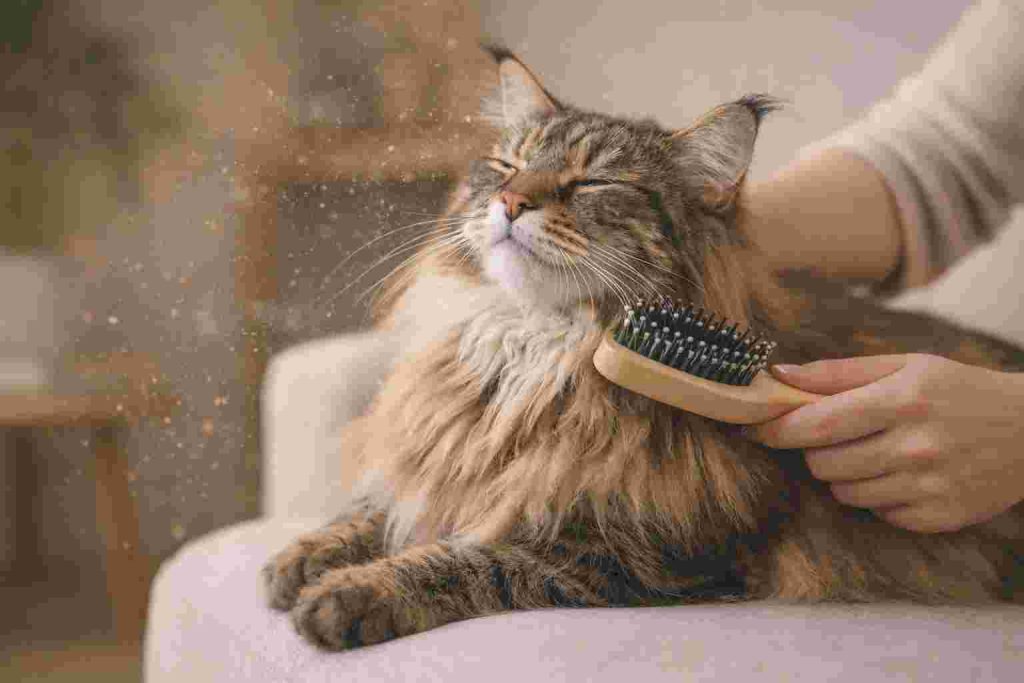
Maine Coons have long, thick fur, but this doesn’t necessarily mean worse allergies. In some cases, their dense coat actually traps dander, reducing how much becomes airborne especially when the cat is groomed regularly.
Maine Coon Cat Allergy Symptoms in Humans
If you’re sensitive to cats, recognizing symptoms early is essential.
Mild vs Severe Allergy Symptoms
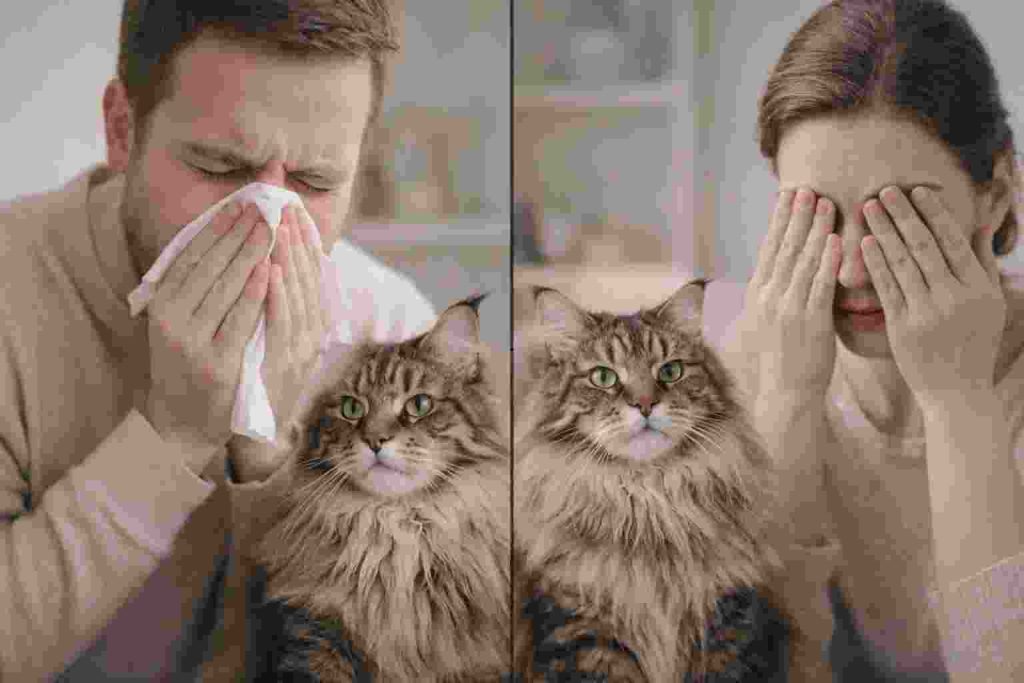
Mild symptoms may include:
- Sneezing
- Runny or stuffy nose
- Itchy or watery eyes
- Mild skin irritation
Moderate to severe symptoms may include:
- Wheezing or shortness of breath
- Chest tightness
- Hives or eczema
- Sinus pressure and headaches
Symptoms can appear within minutes or build gradually over hours.
When to See a Doctor

If you experience persistent breathing problems, asthma flare ups, or severe skin reactions, consult a healthcare professional before living with any cat, including a Maine Coon.
Can You Live With a Maine Coon If You Have Allergies?
The good news: many people with mild to moderate allergies successfully live with Maine Coon cats.
Allergy Testing Before Adopting a Maine Coon
Before committing, consider:

- Allergy testing with a medical professional
- Spending time with a Maine Coon in a breeder’s home or shelter
- Short visits that allow you to monitor symptoms
This step alone can prevent regret later.
Spending Time With a Maine Coon First
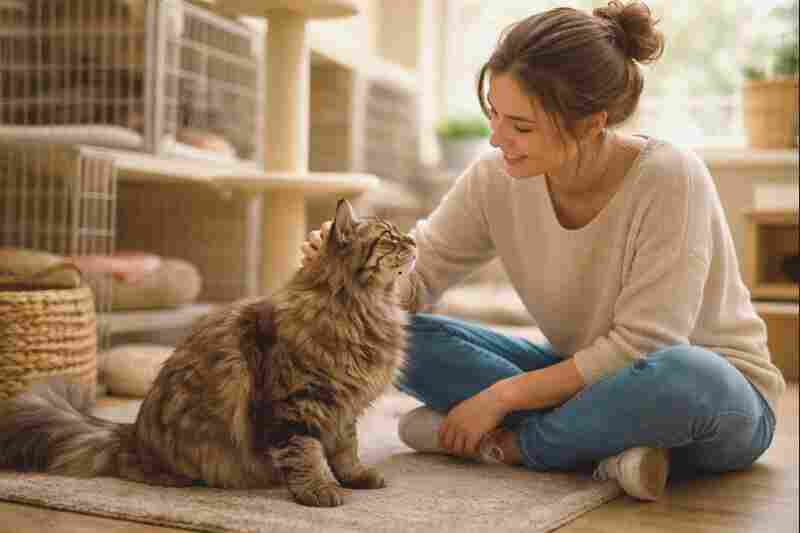
Every cat produces allergens differently. Even within the same litter, reactions can vary. Spending time with the specific cat you plan to adopt is one of the most reliable ways to predict how your body will respond.
How to Reduce Maine Coon Cat Allergies at Home
If you already own or plan to own a Maine Coon, managing allergens is key.
Grooming and Bathing Routine
Regular grooming significantly reduces allergen buildup:
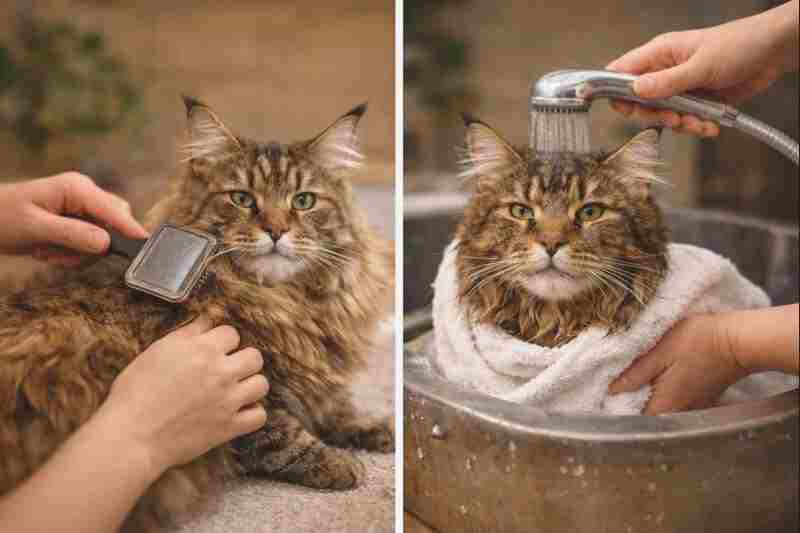
- Brush your Maine Coon 2–3 times per week
- Use a high quality deshedding brush
- Occasional bathing (once every 4–6 weeks) can reduce Fel d 1 on fur
If possible, a non allergic household member should handle grooming.
Cleaning Tips to Control Allergens
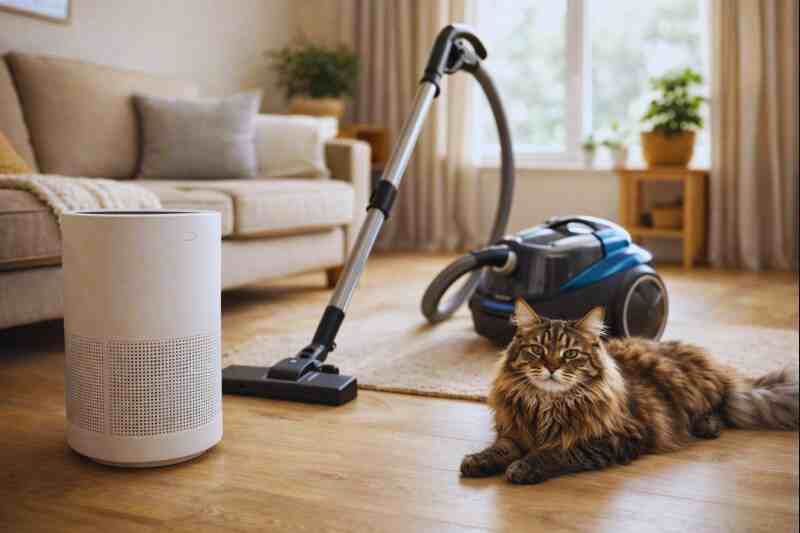
A clean environment makes a huge difference:
- Vacuum carpets and furniture weekly (HEPA filters work best)
- Wash bedding and throws in hot water
- Use air purifiers in bedrooms and living areas
- Keep the cat out of the bedroom if allergies are sensitive
Diet and Health Impact on Allergens
A healthy Maine Coon produces fewer skin flakes:
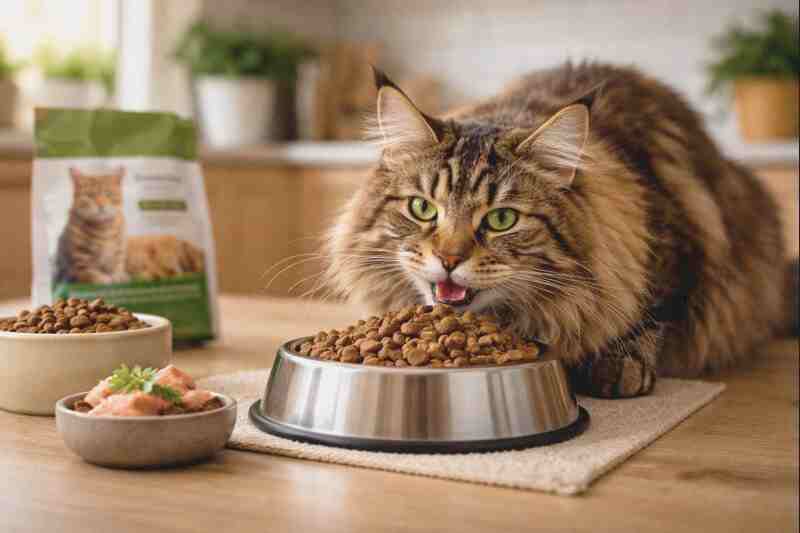
- Feed a high quality, balanced diet
- Ensure proper hydration
- Keep up with regular vet checkups
Some studies suggest that improved skin health may reduce allergen shedding over time.
Are Maine Coons Better for Allergy Sufferers Than Other Cats?
While no breed is allergy free, Maine Coons often rank better than average for allergy tolerance
Maine Coons vs Other Popular Breeds
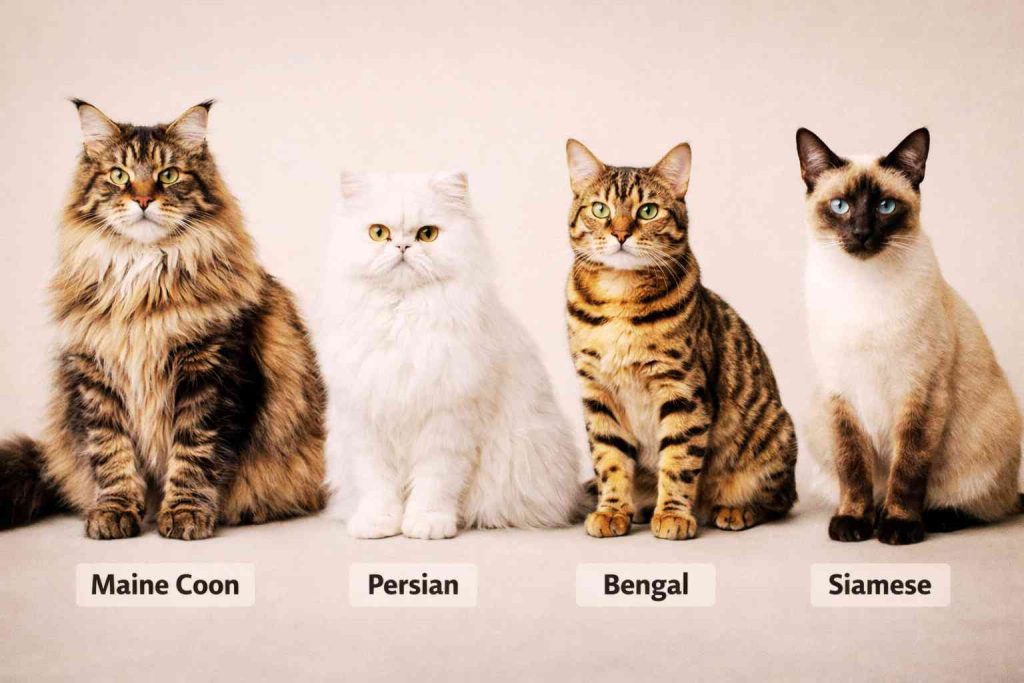
- Maine Coon vs Persian: Persians may produce more allergens due to skin and grooming issues
- Maine Coon vs Bengal: Bengals may shed less but can still trigger allergies
- Maine Coon vs Siamese: Siamese cats may produce higher Fel d 1 levels
Ultimately, individual reaction matters more than breed reputation.
Common Myths About Maine Coon Cat Allergy
Let’s clear up some misinformation.
Myth 1: Long hair causes more allergies
False. Allergens come from proteins, not fur length.
Myth 2: Hypoallergenic cats don’t cause allergies
False. “Hypoallergenic” only means lower allergen levels, not zero.
Myth 3: Kittens don’t cause allergies
False. Kittens still produce allergens, though sometimes at lower levels.
Is a Maine Coon Right for Allergy Sufferers?
A Maine Coon can be a great choice for someone with mild or well managed allergies, especially if proper grooming and cleaning routines are followed.
However, people with severe asthma or strong allergic reactions should proceed with caution and always test exposure first.
Conclusion
The truth about maine coon cat allergy is simple: Maine Coons are not hypoallergenic, but they are often more manageable for allergy sufferers than many other breeds.
With preparation, testing, and good hygiene, many allergy sensitive owners enjoy happy, healthy lives with these affectionate cats. If you’re willing to put in the effort, a Maine Coon might just be the gentle giant your home needs.
Read More About Maine Coon
Maine Coon Breed Profile