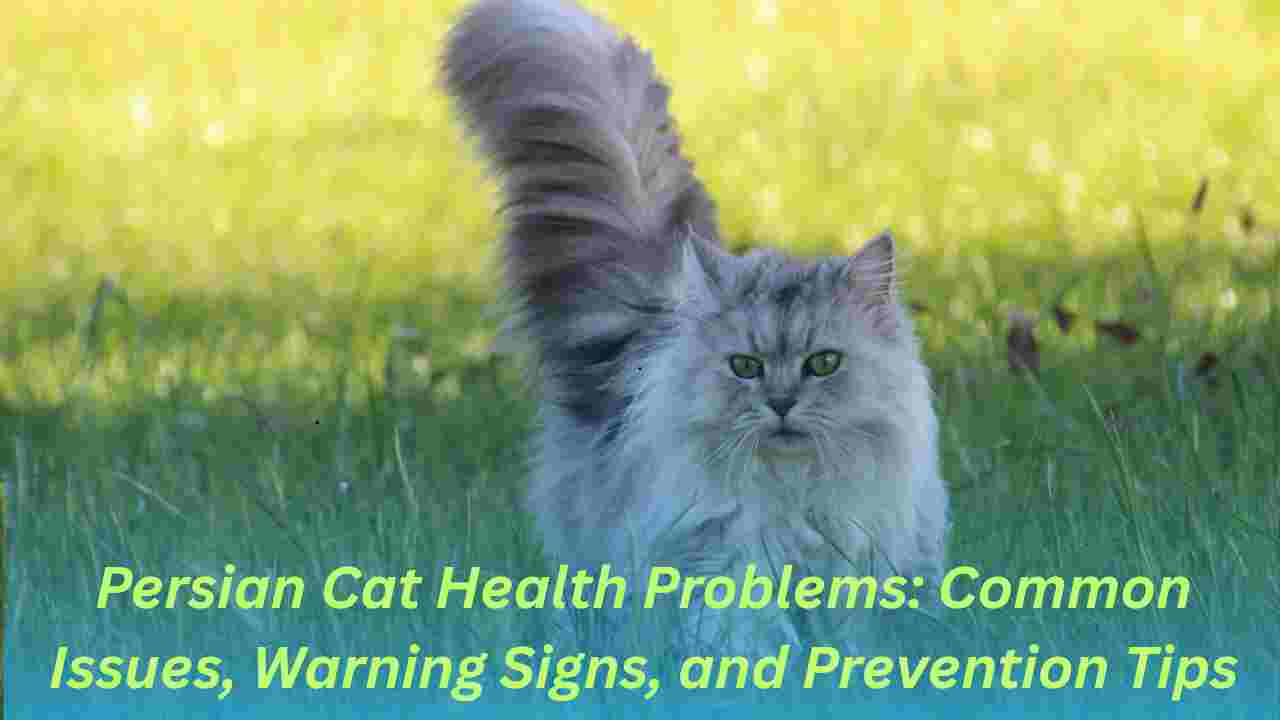
Persian cats are one of the most loved cat breeds in the United States. Their long, flowing coats, round faces, and calm personalities make them incredibly appealing to young pet owners and families alike.
However, behind their elegant appearance lies a reality every owner should understand: Persian cat health problems are more common than in many other breeds.
Table of Contents
Because Persians are a brachycephalic (flat faced) breed with a long history of selective breeding, they are prone to several genetic and lifestyle related health issues. Knowing what these problems are, how to spot early warning signs, and how to prevent them can significantly improve your cat’s quality of life.
This in depth guide covers the most common Persian cat health problems, explains why they occur, and offers practical prevention tips to help your Persian live a longer, healthier, and happier life.
Common Persian Cat Health Problems Every Owner Should Know
Persian cats have specific physical traits that make them unique but those same traits can also lead to health challenges. Understanding these breed specific conditions is the first step toward responsible pet ownership.
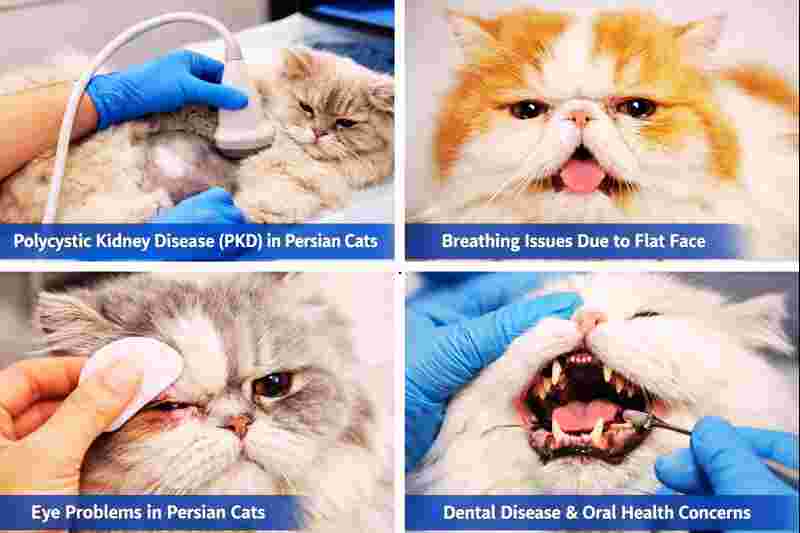
Polycystic Kidney Disease (PKD) in Persian Cats
One of the most serious Persian cat health problems is Polycystic Kidney Disease (PKD). PKD is a genetic condition where fluid filled cysts develop inside the kidneys. Over time, these cysts grow and reduce kidney function, eventually leading to kidney failure.
Symptoms of PKD in Persian cats include:
- Increased thirst and urination
- Weight loss
- Loss of appetite
- Lethargy
- Vomiting
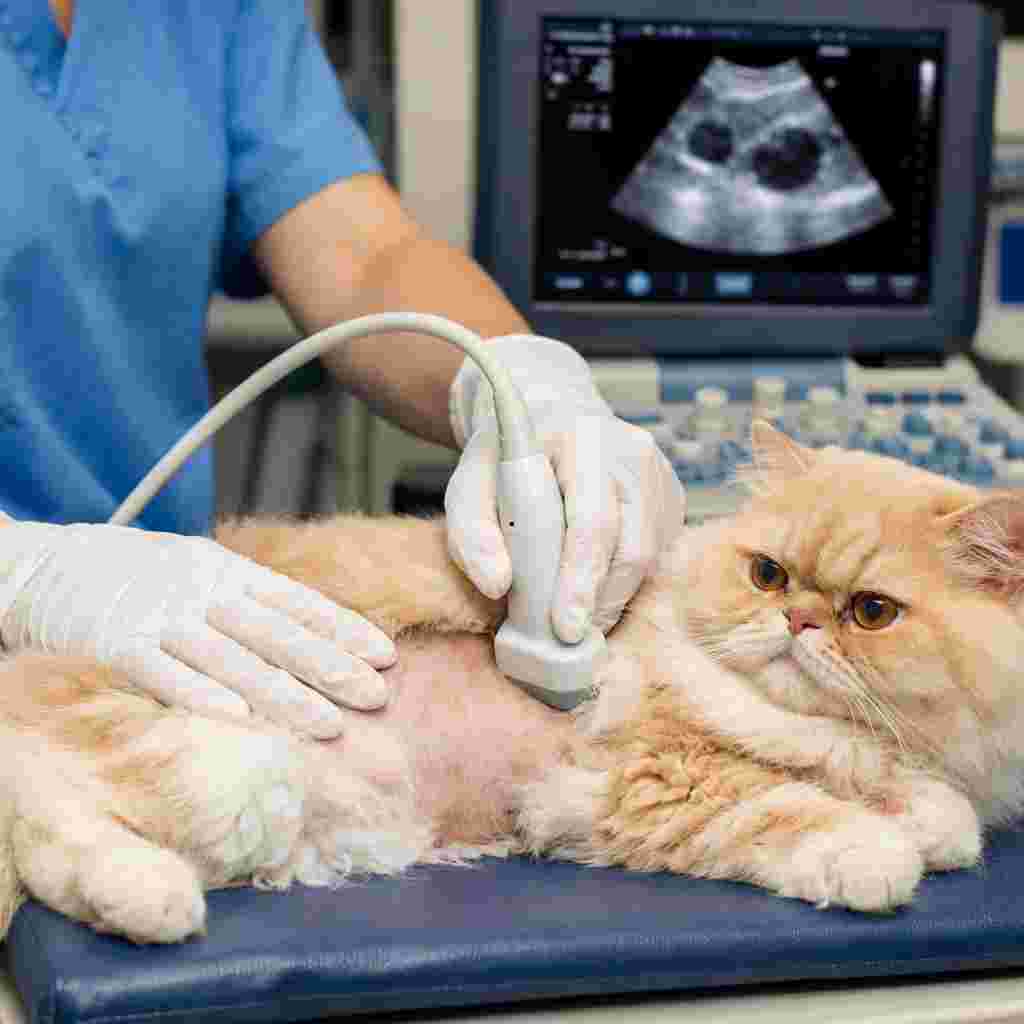
The most concerning aspect of PKD is that symptoms often don’t appear until the disease has progressed. Many Persian cats may seem healthy for years before showing signs.
Prevention and management:
- Choose breeders who perform genetic PKD screening
- Schedule regular veterinary checkups
- Monitor hydration and diet carefully
While PKD cannot be cured, early detection allows vets to slow progression and improve quality of life.
Breathing Issues Caused by Flat Faces (Brachycephalic Syndrome)
Persian cats are famous for their flat faces, but this feature is also responsible for several Persian cat health problems, especially breathing difficulties. This condition is known as brachycephalic airway syndrome.
Because their nasal passages are shortened, Persian cats may experience:

- Loud breathing or snoring
- Difficulty exercising
- Heat intolerance
- Open mouth breathing
- Increased risk during anesthesia
Hot weather and high humidity can make breathing problems worse, which is especially important for indoor Persian cats living in warmer states.
How to help your Persian breathe easier:
- Keep your home cool and well ventilated
- Avoid excessive exercise
- Maintain a healthy weight
- Use shallow food and water bowls
Severe cases may require veterinary intervention, but daily care plays a major role in managing symptoms.
Eye Problems in Persian Cats
Eye issues are another extremely common category of Persian cat health problems. Their large, prominent eyes and shallow eye sockets make them prone to irritation and infection.
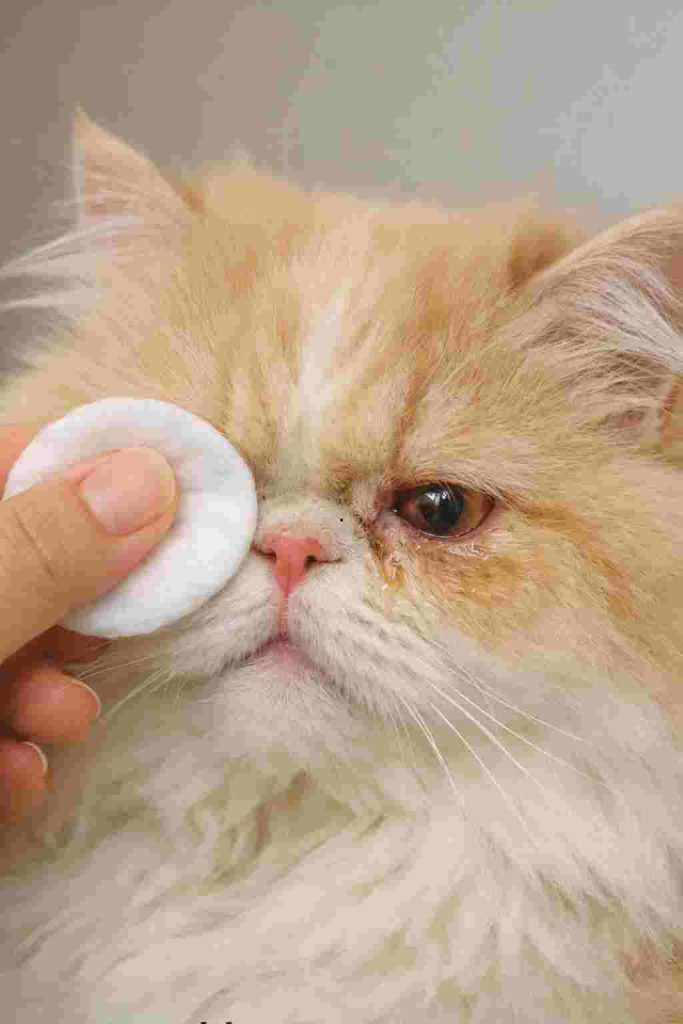
Common eye problems include:
- Excessive tearing (epiphora)
- Tear staining
- Eye infections
- Corneal ulcers
Tears often overflow onto the face, creating a moist environment that encourages bacterial growth.
Tears often overflow onto the face, creating a moist environment that encourages bacterial growth.
Prevention tips:
- Clean eyes daily with a vet approved solution
- Keep facial fur trimmed around the eyes
- Watch for redness, discharge, or squinting
Prompt treatment is essential, as untreated eye infections can lead to vision loss.
Dental Disease and Oral Health Concerns
Dental issues are frequently overlooked but are a major contributor to Persian cat health problems. Persian cats often have crowded teeth due to their shortened jaw structure.
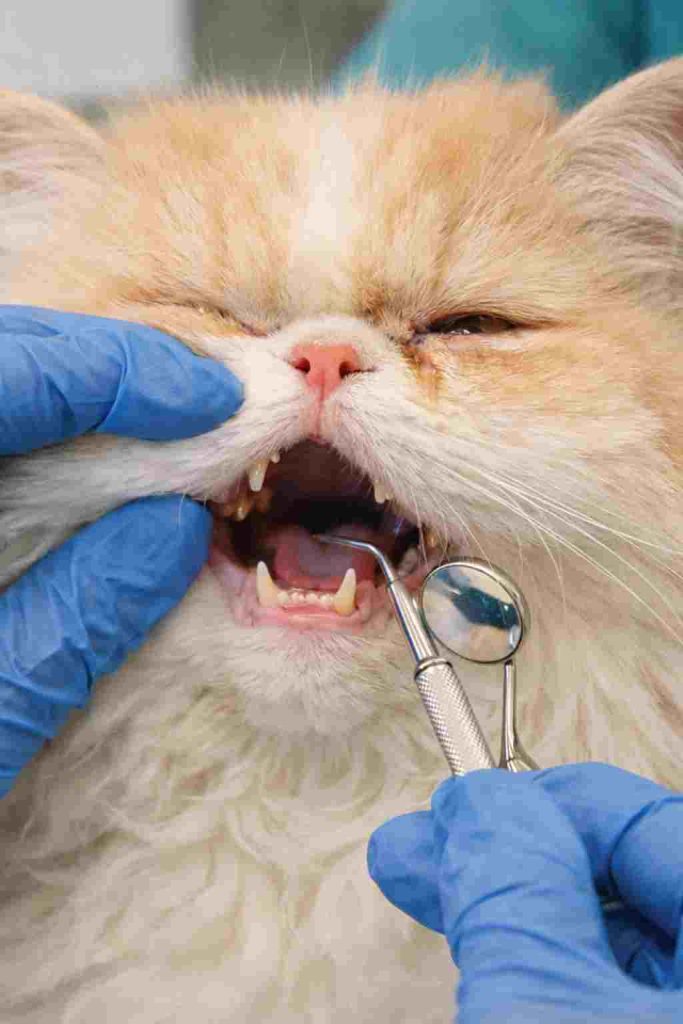
This increases the risk of:
- Plaque and tartar buildup
- Gingivitis
- Periodontal disease
- Tooth loss
Dental pain can also affect appetite and behavior, sometimes being mistaken for mood changes.
How to protect your Persian’s oral health:
- Brush teeth regularly using cat safe toothpaste
- Offer dental treats or toys
- Schedule professional dental cleanings
Healthy teeth support overall health and can prevent serious infections.
Skin and Coat Related Persian Cat Health Problems
Persian cats are known for their luxurious coats, but that beauty comes with responsibility. Without proper care, skin and coat issues can quickly develop.
Matting, Hairballs, and Skin Infections
Long fur is one of the biggest contributors to Persian cat health problems. Without daily grooming, mats can form close to the skin, causing pain and trapping dirt and bacteria.
Potential issues include:
- Painful matting
- Hot spots
- Skin infections
- Excessive hairballs
Hairballs are especially common because Persians swallow large amounts of fur while grooming.
Prevention strategies:
- Brush daily using appropriate grooming tools
- Bathe occasionally with vet approved shampoo
- Consider professional grooming if needed
Proper grooming improves comfort and reduces vet visits.
Allergies and Dermatitis in Persian Cats
Persian cats are more prone to allergies than many other breeds. Allergies are a common yet frustrating category of Persian cat health problems.
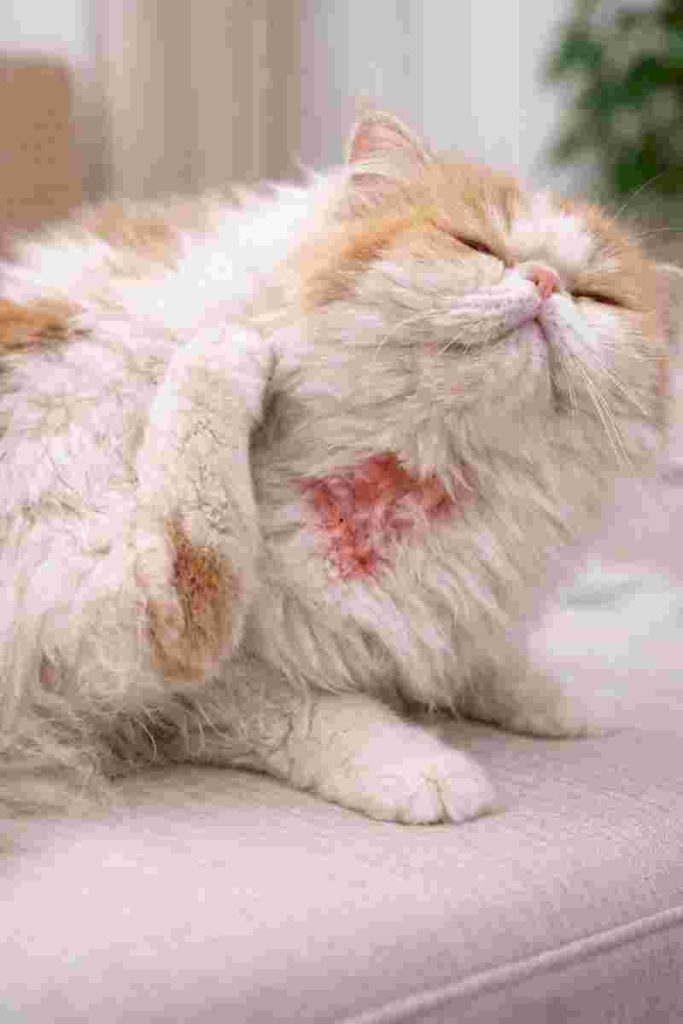
Common triggers include:
- Food ingredients
- Dust and pollen
- Fleas
- Household cleaning products
Symptoms often show up on the skin and include itching, redness, hair loss, and excessive licking.
Managing allergies:
- Switch to hypoallergenic or limited ingredient diets
- Use flea prevention year round
- Keep living areas clean and dust free
A veterinarian can help identify triggers and create a treatment plan.
Digestive and Weight Related Persian Cat Health Problems
Digestive issues and weight gain are increasingly common Persian cat health problems, especially in indoor only cats.
Obesity Risks in Indoor Persian Cats
Persian cats have a naturally calm and laid back personality. While this makes them excellent companions, it also increases the risk of obesity.
Obesity can lead to:
- Diabetes
- Joint pain
- Heart disease
- Breathing difficulties
Even a small amount of excess weight can significantly impact a Persian cat’s health.
Prevention tips:
- Measure food portions carefully
- Avoid free feeding
- Encourage light daily play
Maintaining a healthy weight reduces many secondary health problems.
Sensitive Stomach and Digestive Disorders
Many Persian cats have sensitive digestive systems. Vomiting, diarrhea, and food intolerance are frequent Persian cat health problems.

Possible causes include:
- Poor quality food
- Sudden diet changes
- Hair ingestion
- Stress
How to support digestive health:
- Feed high quality, breed appropriate food
- Introduce diet changes gradually
- Use hairball control formulas if recommended
Digestive health plays a key role in overall wellness.
Preventing Persian Cat Health Problems
While some Persian cat health problems are genetic, many can be prevented or managed with proactive care.
Regular Vet Checkups and Genetic Screening
Routine veterinary visits are essential for early detection. Annual or biannual checkups help catch issues before they become serious.
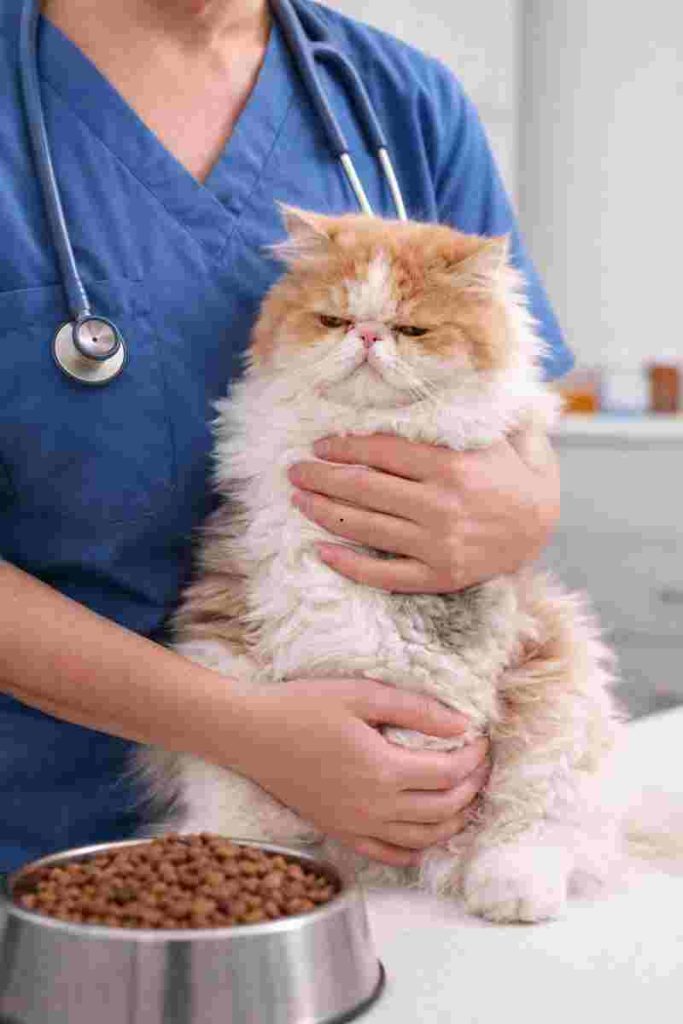
Key preventive steps include:
- PKD screening
- Blood and urine tests
- Dental exams
- Vaccinations
Early diagnosis often means simpler and less expensive treatment.
Proper Diet and Hydration
Nutrition plays a major role in preventing Persian cat health problems. A balanced diet supports kidney function, skin health, and digestion.
Diet tips:
- Choose high protein, low carb cat food
- Provide wet food to support hydration
- Ensure fresh water is always available
Avoid feeding table scraps or low quality fillers.
Daily Grooming and Hygiene Routine
Consistent grooming is one of the most effective ways to prevent multiple Persian cat health problems.
Daily care should include:
- Brushing coat
- Cleaning eyes
- Checking ears
- Trimming nails
This routine not only improves health but also strengthens the bond between you and your cat.
When to See a Vet for Persian Cat Health Problems
Some symptoms should never be ignored. Seek veterinary care immediately if your Persian cat shows:
- Difficulty breathing
- Sudden weight loss
- Refusal to eat
- Persistent vomiting or diarrhea
- Severe eye discharge or redness
Early treatment can be lifesaving.
Conclusion
Persian cats are affectionate, gentle, and stunningly beautiful but they require informed and dedicated care. Persian cat health problems, including kidney disease, breathing issues, eye infections, skin conditions, and obesity, are common but manageable with the right approach.
By understanding breed specific risks, maintaining a consistent grooming routine, feeding a high quality diet, and scheduling regular vet visits, you can greatly reduce health complications. Responsible ownership ensures your Persian cat enjoys a long, comfortable, and loving life.
If you’re willing to invest time, attention, and care, a Persian cat can be one of the most rewarding companions you’ll ever have.
Read More Persian Cat