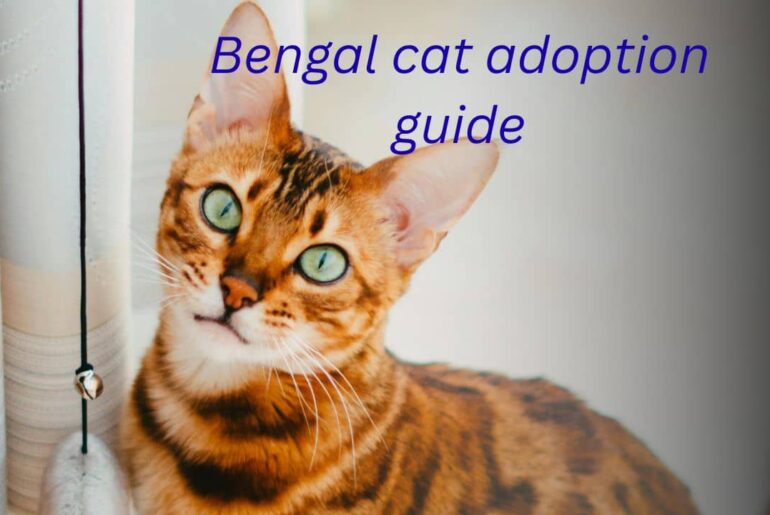
Bengal cats are not your average house cats. With their wild, leopard like appearance and bold behavior, they stand out both visually and emotionally. But looks alone don’t define this breed.
The Bengal cat personality is energetic, intelligent, curious, and deeply engaging making them one of the most exciting (and demanding) cat breeds to own.
Table of Contents
If you’re considering bringing a Bengal into your home, understanding their personality is essential. This guide breaks down everything you need to know, from energy levels to social behavior, so you can decide if this remarkable breed fits your lifestyle.
Understanding the Bengal Cat Personality
The Bengal cat personality is shaped by a unique mix of domestic friendliness and wild ancestry. Originally bred from Asian leopard cats and domestic cats, Bengals retain an active, alert, and highly intelligent temperament.
Unlike laid back breeds, Bengals thrive on interaction. They want to be involved in your daily life whether that’s following you around the house, climbing shelves, or demanding playtime.
Are Bengal Cats Naturally Energetic?
Yes Bengal cats are extremely energetic. This is one of their most defining traits.
They love to:
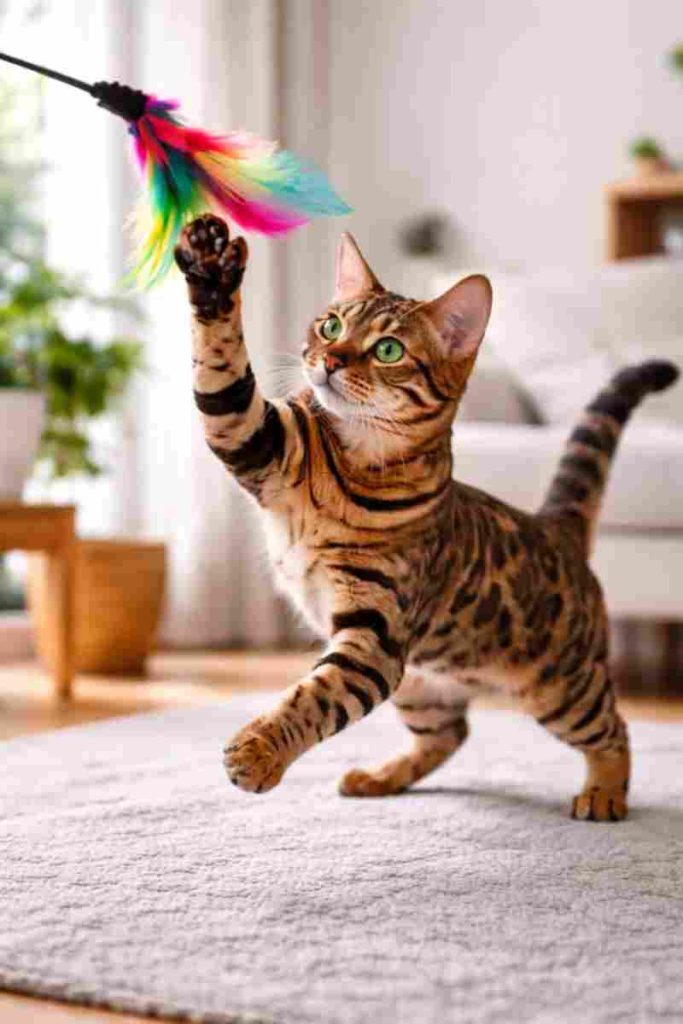
- Run, jump, and climb
- Chase toys and play interactive games
- Explore high places like shelves and cat trees
A Bengal cat that doesn’t get enough exercise can become bored or destructive. Daily play sessions are not optional; they are a necessity. This makes Bengals perfect for active owners who enjoy engaging with their pets.
Intelligence and Curiosity in Bengal Cats
Bengals are among the smartest domestic cat breeds. Their intelligence shows in how quickly they learn routines, open doors, solve puzzle toys, and even walk on a leash.
Many Bengal owners report that their cats:
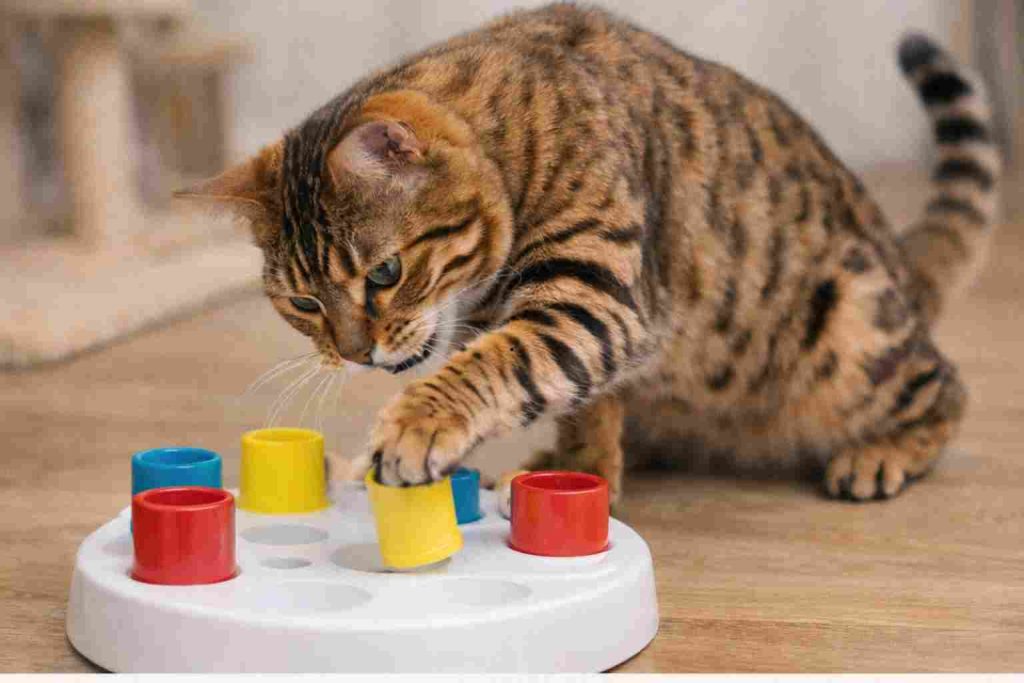
- Learn tricks quickly
- Figure out food puzzles with ease
- Show strong curiosity about water, gadgets, and new environments
This intelligence is a major reason why the Bengal cat personality feels more “dog like” than feline to many owners.
Bengal Cat Personality Traits You Should Know
Understanding specific personality traits helps set realistic expectations before adoption.
Affectionate but Independent
Bengal cats are affectionate, but they express love differently. Instead of constant lap sitting, they show affection by:

- Staying close to their owners
- Following them from room to room
- Initiating play or interaction
They enjoy attention but dislike being forced into cuddles. Respecting their independence strengthens the bond.
Vocal and Expressive Nature

The Bengal cat personality includes a strong vocal side. Bengals don’t just meow they chirp, trill, and make unique sounds to communicate.
They often “talk” when:
- They want food
- They’re excited to play
- They’re curious or frustrated
If you enjoy an expressive, interactive pet, this trait can be very entertaining.
Social Behavior With People and Pets
Bengals are generally social cats. They do well in households with:
- Engaged adults
- Older children who understand boundaries
- Other active pets

However, slow and proper introductions are essential. Their high energy can overwhelm calmer animals if not managed carefully.
Bengal Cat Personality vs Other Cat Breeds
Comparing breeds helps highlight what truly makes Bengals unique.
Bengal Cat vs Domestic Shorthair
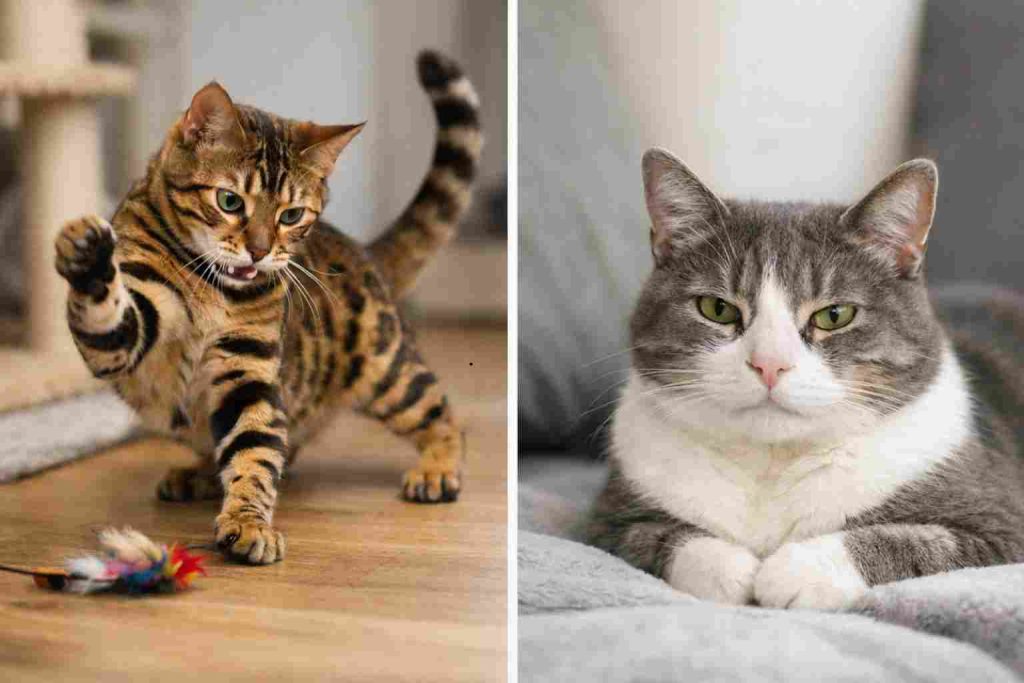
Domestic Shorthairs are usually more relaxed and adaptable. In contrast, the Bengal cat personality is:
- More energetic
- More demanding of attention
- More mentally stimulating
If you want a low maintenance cat, a Bengal may not be the best fit.
Bengal Cat vs Maine Coon Personality
Both breeds are intelligent and social, but their energy levels differ.
- Maine Coons are gentle, calm, and affectionate
- Bengals are intense, athletic, and highly active
Bengals need more structured play and mental challenges than Maine Coons.
Is the Bengal Cat Personality Right for You?
Before adopting, it’s important to evaluate your lifestyle honestly.
Ideal Home Environment for a Bengal Cat
The ideal home for a Bengal includes:
- Space to climb and explore
- Cat trees, shelves, and vertical areas
- Daily interactive playtime
Apartments can work, but only if owners commit to enrichment and exercise.
Bengal Cats for First Time Owners
Bengals can be challenging for first time cat owners. Their intelligence and energy require patience, consistency, and time.
They are best suited for:
- Experienced cat owners
- Active individuals or couples
- People who enjoy training and interaction
If you want a quiet, independent pet, a Bengal may feel overwhelming.
How to Support a Healthy Bengal Cat Personality
Meeting a Bengal’s needs helps prevent behavioral problems and strengthens your bond.
Enrichment and Playtime Needs
To keep a Bengal happy, provide:
- Interactive wand toys
- Puzzle feeders
- Rotating toys to prevent boredom
Two or more structured play sessions per day help burn excess energy and reduce stress.
Training and Mental Stimulation
Bengals respond well to training. Many can learn:
- Sit, come, and high five
- Leash walking
- Clicker training routines

Training isn’t just fun it’s essential for mental stimulation and behavior control.
Conclusion
The Bengal cat personality is bold, intelligent, energetic, and deeply engaging. These cats are not passive companions they are active participants in your life. When given proper stimulation, attention, and respect, Bengals become loyal, entertaining, and deeply bonded pets.
However, they are not for everyone. If you’re ready for an active, interactive, and mentally stimulating companion, a Bengal cat may be the perfect match for your lifestyle.
Read More Bengal Cat Feline Behavior Resources