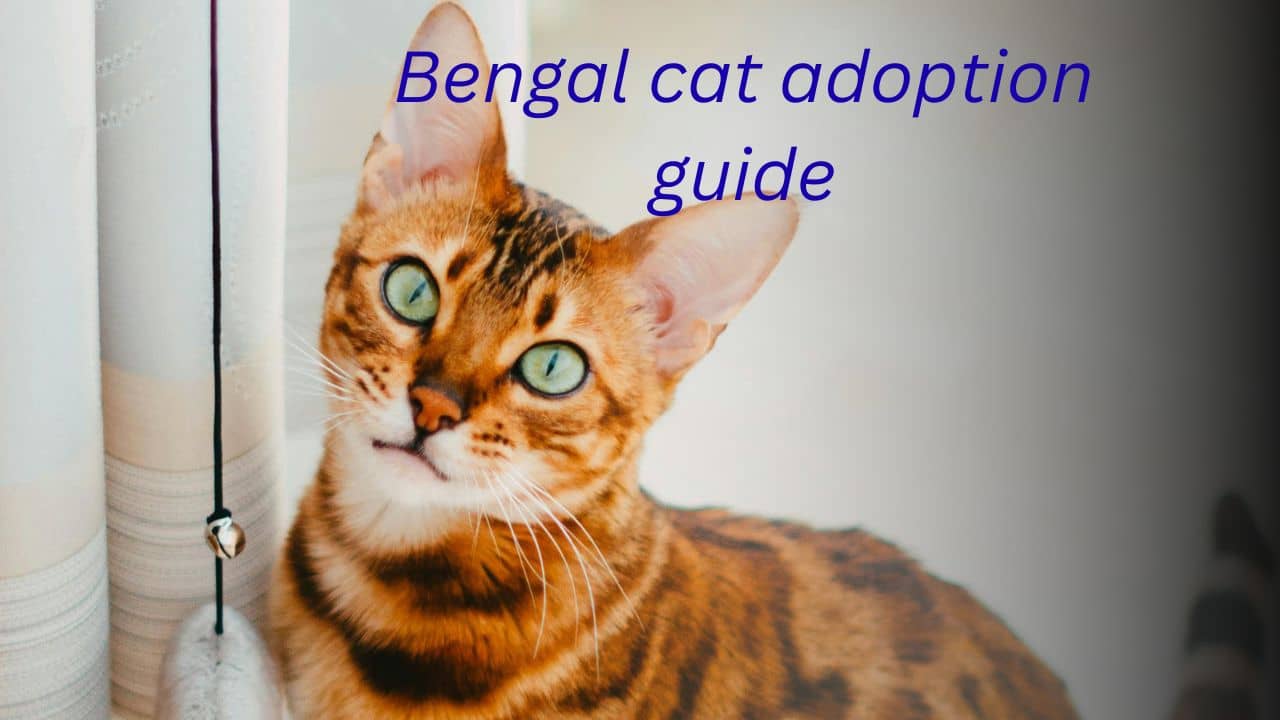
If you’ve ever dreamed of sharing your home with a cat that looks like a wild leopard but behaves like a loyal companion, the Bengal cat might be your perfect match. Known for their stunning spotted coats, boundless energy, and affectionate personalities, Bengals are one of the most captivating cat breeds in the world.
Table of Contents
However, adopting a Bengal cat isn’t a decision to take lightly. These cats are highly intelligent, active, and require plenty of mental and physical stimulation to stay happy and healthy. Before you fall for those mesmerizing eyes and playful charm, it’s essential to understand what life with a Bengal cat truly involves.

This Bengal cat adoption guide will walk you through everything you need to know from choosing a reputable breeder or rescue to preparing your home and caring for your new feline friend. Whether you’re a first-time adopter or a seasoned cat lover, this guide will help you make a confident, informed decision and ensure your Bengal cat thrives in its new forever home.
Understanding the Bengal Cat Breed
Before you decide to adopt a Bengal, it’s important to understand what makes this breed so special and sometimes challenging. Bengals are not your average house cats.
They’re a unique mix of wild beauty and domestic affection, originally developed by crossing domestic cats with the Asian leopard cat.
1. Origin and History
The Bengal breed first emerged in the 1970s when breeders sought to create a cat that carried the exotic look of a wild feline but the friendly nature of a house pet.
Over time, selective breeding produced the Bengal cats we know today confident, intelligent, and strikingly beautiful.
2. Physical Characteristics
Bengals are medium to large cats with muscular builds, long bodies, and stunning coat patterns.
Their signature rosetted spots or marbled markings resemble those of leopards, making them one of the most visually distinctive breeds.
Their coats often shimmer with a glittery sheen under light, a feature unique to Bengals.
3. Personality and Temperament
These cats are highly active, playful, and curious. They love to climb, explore, and even play fetch.
Bengals are often compared to dogs for their intelligence and social behaviour. However,
Their high energy means they can become bored easily so they need plenty of playtime, enrichment toys, and human interaction.
4. Compatibility with Families and Other Pets

Bengals usually form strong bonds with their families. They thrive in homes where they receive consistent attention and stimulation. They can get along well with children and other pets if properly introduced and socialized from a young age.
Preparing Your Home Before Adoption
Before welcoming a Bengal cat into your life, it’s essential to create a safe, stimulating, and comfortable environment. Bengals are naturally curious and energetic, so preparing your home in advance ensures a smoother transition and helps your new feline friend feel secure from day one.
1. Create a Safe and Enriched Space
Bengals love to climb, jump, and explore high places. Setting up a cat tree, window perch, or wall shelves can help them burn off energy safely.
Make sure your home is “cat-proofed” by securing loose wires, fragile items, and any plants that may be toxic to cats.
2. Essential Supplies Checklist
Have these key items ready before bringing your Bengal home:
- A sturdy litter box with high sides (Bengals can be enthusiastic diggers!)
- Premium cat food suited to Bengal cats’ active metabolism
- Scratching posts or mats to protect your furniture
- Interactive toys, feather wands, and puzzle feeders for mental stimulation
- Cozy cat bed or blanket in a quiet area for rest
3. Designate a Calm Introduction Area

When your Bengal first arrives, it’s best to confine them to one safe room for a few days. This allows them to adjust to new smells and sounds gradually. Include all their essentials food, water, litter box, and toys so they can settle in comfortably before exploring the rest of your home.
4. Set Up Interactive Play Zones
Bengals have endless curiosity and need frequent engagement. Designate a “play zone” with tunnels, toys, and climbing areas to encourage physical activity. Rotating toys every few days can prevent boredom and destructive behavior.
5. Mental Stimulation and Training Prep
Start introducing training tools like clickers or treat dispensers early. Bengals are incredibly smart and respond well to positive reinforcement. Teaching them tricks or commands can strengthen your bond and keep them mentally active.
Where to Adopt a Bengal Cat

When it comes to adopting a Bengal cat, choosing the right source is essential to ensure you’re bringing home a healthy and well socialized pet.
The best places to start are reputable breeders, registered Bengal rescues, or trusted animal shelters.
A reputable breeder will provide full transparency about the cat’s health records, genetic background, and temperament.
They’ll also allow you to meet the kittens and their parents, so you can observe their living conditions and personalities first hand.

If you prefer to give a home to a Bengal in need, consider adopting from a Bengal-specific rescue organization or local shelter. Many Bengals are surrendered due to their high energy levels, so adoption can be both compassionate and rewarding. Reputable rescues like Bengal Rescue often provide detailed behaviour assessments and support during the transition period. Whether you choose a breeder or a rescue, always verify credentials, ask for health certificates, and avoid online sellers or backyard breeders who can’t provide proper documentation.
Bengal Cat Adoption Costs
Before adopting a Bengal cat, it’s important to understand the financial responsibilities that come with this exotic breed. The initial adoption or purchase cost can vary widely depending on the source.
Adopting from a rescue or shelter may cost between $150–$400, while buying from a certified breeder can range from $1,000 to over $3,000 for kittens with premium lineage or unique coat patterns.
These costs often include vaccinations, microchipping, and spaying or neutering, but it’s always wise to confirm exactly what’s covered before finalizing the adoption.
First 30 Days with Your Bengal Cat
The first month after bringing home your Bengal cat is a critical adjustment period for both of you. During these initial weeks, focus on helping your cat feel safe, secure, and loved.
Start by confining your Bengal to one quiet room equipped with essentials such as food, water, a litter box, and a cozy bed.
Gradually introduce them to other parts of your home as their confidence grows. Keep interactions gentle, and allow your cat to explore at their own pace.
Establishing a consistent daily routine for feeding, playtime, and rest will help your Bengal settle in faster and build trust.
As your Bengal becomes more comfortable, increase interactive play sessions to channel their high energy. Activities like laser chasing, feather wands, or puzzle toys keep them mentally engaged and prevent boredom.
Begin socializing them with other pets or family members in short, supervised sessions to ensure positive associations.
This period is also ideal for scheduling your first vet check-up to confirm vaccinations and discuss diet and health care.
With patience, structure, and affection, the first 30 days can lay the foundation for a happy, confident, and well adjusted Bengal cat.
Bengal Cat Care and Training Basics
Caring for a Bengal cat goes beyond feeding and play it’s about keeping them physically active, mentally challenged, and emotionally fulfilled.
Bengals thrive on high quality protein rich diets that support their muscular build and energy levels.
Choose premium cat food with real meat as the first ingredient, and avoid fillers like corn or soy.
Regular vet check ups, parasite prevention, and dental care are essential to maintaining their long term health.
Because Bengals are highly energetic, daily play sessions using toys, laser pointers, or interactive puzzles will help prevent destructive behaviour and strengthen your bond.
Training is another key part of Bengal cat care. Thanks to their intelligence, Bengals respond well to positive reinforcement techniques such as clicker training and treat based rewards.
Start with simple commands like “sit” or “come,” and gradually introduce leash training or even fetch. Consistency and patience are vital never punish your Bengal, as this can lead to stress or behaviour issues.
Provide designated scratching areas and climbing spots to channel their natural instincts constructively. When cared for and trained properly, Bengals become affectionate, loyal companions who bring endless joy and excitement to your home.
Conclusion
Adopting a Bengal cat is an exciting and rewarding experience, but it also comes with important responsibilities. These stunning, intelligent felines need more than just love they require time, attention, and a stimulating environment to truly thrive.
From preparing your home to understanding their unique behaviour and needs, each step in the adoption journey helps set your Bengal up for a happy and healthy life.
By following this Bengal cat adoption guide, you’ll be well equipped to make informed choices, whether you’re adopting from a rescue or purchasing from a reputable breeder.
With the right care, training, and enrichment, your Bengal cat will quickly become a cherished member of your family bringing beauty, adventure, and endless affection into your home every day.
Read More Bengal Cat
Read More Adoption Resources